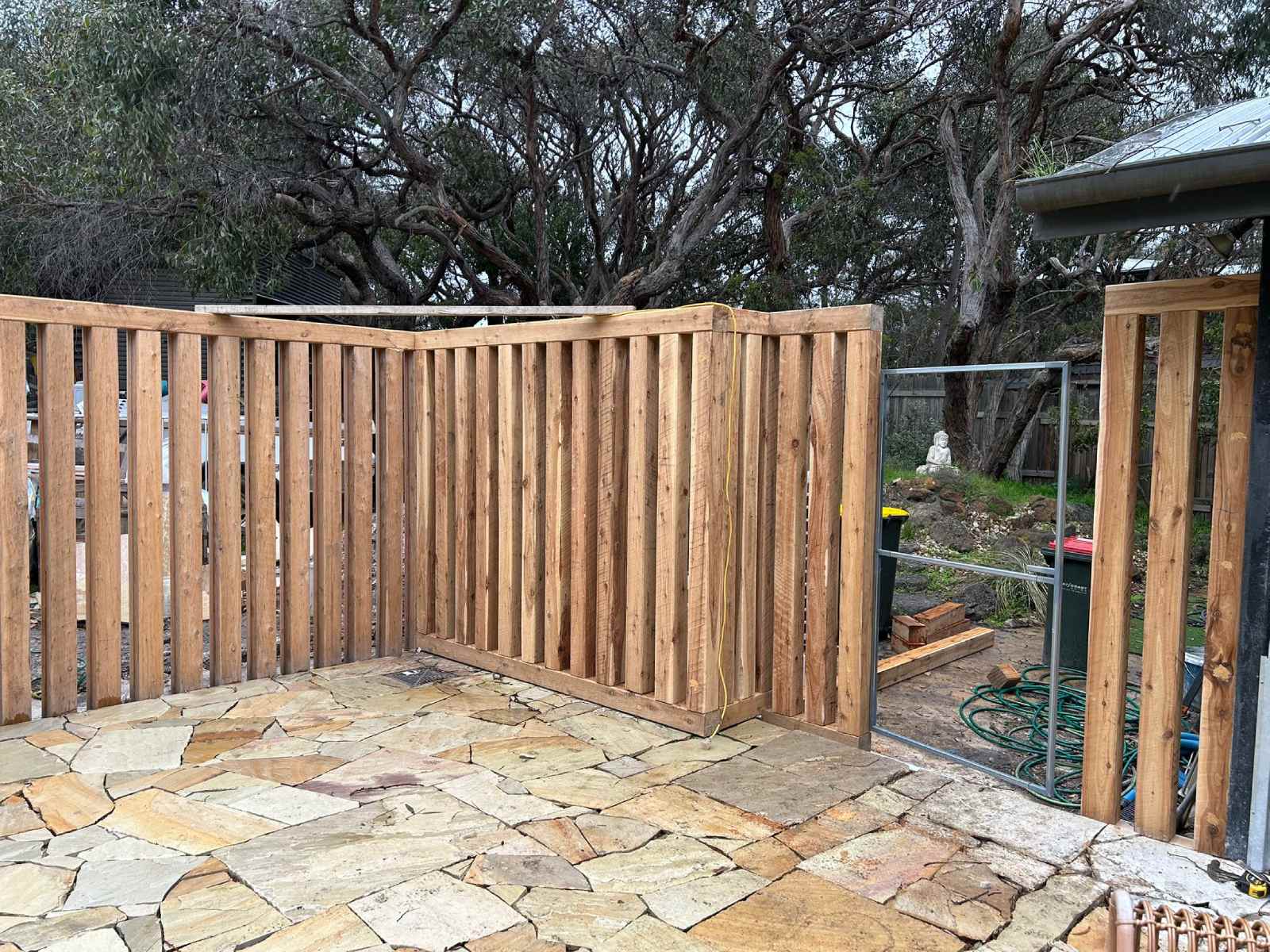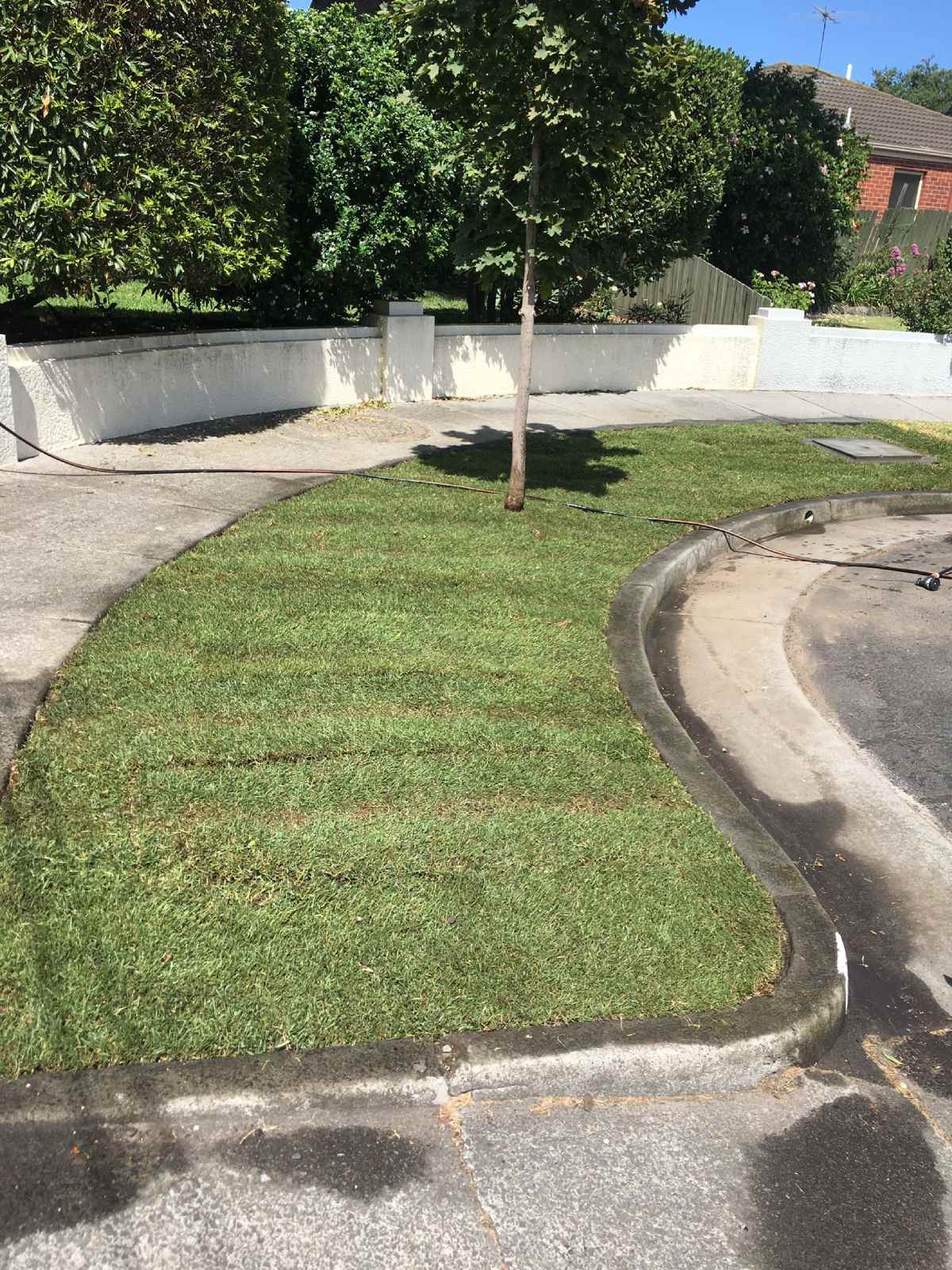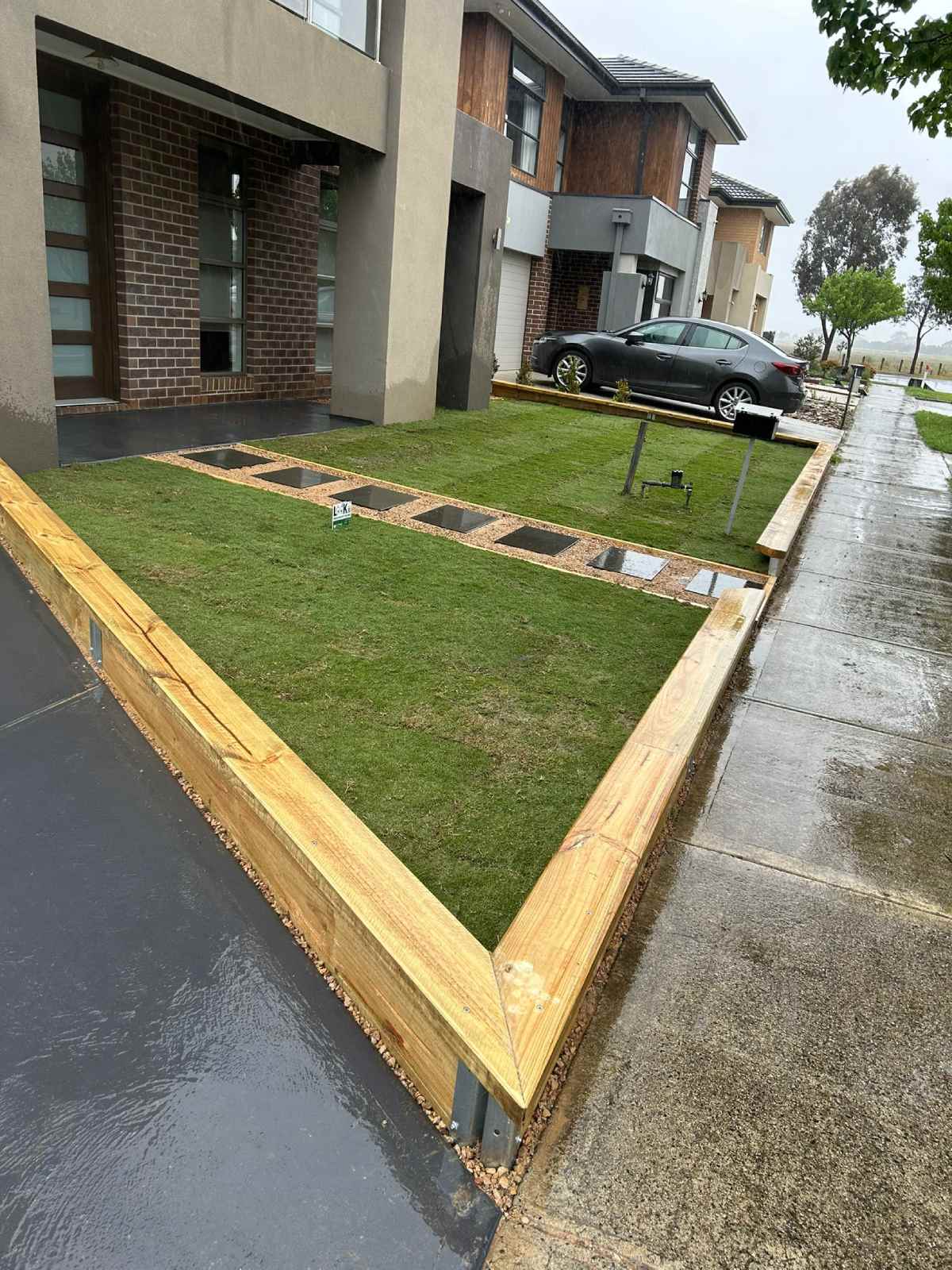
Finding the right landscaping solution can transform an ordinary backyard into an outdoor area that feels welcoming, organised and easy to enjoy. For homeowners searching for Landscaping Truganina or Landscaping Wyndham Vale, the goal is often to improve the appearance of the property while creating useful space for relaxing, entertaining and spending time with family.
A well planned landscape brings together garden beds, pathways, paving, lawn areas and outdoor living features. Depending on the property, the project may also include decking, retaining walls, pergolas or other hardscape elements. When these features work together, the garden becomes more than an attractive space. It becomes a practical extension of the home.
At Joel Construction, landscaping connects with a wider range of outdoor construction services. This approach helps homeowners consider the complete outdoor area instead of making separate decisions about each feature.
Whether you want to refresh an existing garden in Truganina, improve a backyard in Wyndham Vale or plan a larger outdoor renovation, the right approach starts with understanding your property and how you want to use it.
Why Choose Professional Landscaping in Truganina and Wyndham Vale?
Landscaping involves several decisions that influence the appearance, functionality and maintenance of your property. Choosing plants is only one part of the process. You also need to consider ground levels, access, drainage, materials, sunlight and the relationship between the house and garden.
For example, a family that regularly entertains outdoors may need a paved seating area, practical pathways and space for outdoor furniture. Another household may prefer a simple garden with low maintenance planting and a small lawn. Meanwhile, a homeowner preparing a property for sale may prioritise street appeal and a tidy front garden.
Professional planning helps bring these requirements together.
Create a garden that suits your lifestyle
Your outdoor space should reflect the way you live. A family garden may need room for children to play while keeping garden beds away from high traffic areas. An entertaining space might benefit from paving or decking close to the house. A smaller backyard could use carefully positioned planting to create a feeling of depth.
Rather than copying a design from another property, consider how each section of your garden will function.
Improve the appearance of your property
A coordinated landscape can make a home look more complete. Consistent materials, defined garden edges and well positioned plants create a visual connection between the house and the outdoor area.
In addition, a neat front garden can improve the first impression visitors receive when approaching your property. A practical backyard can make everyday life more enjoyable.
Make outdoor maintenance manageable
A beautiful garden should not become an unreasonable maintenance burden. Before choosing plants and materials, think about the time you can realistically spend maintaining the area.
Low maintenance landscaping may involve durable paving, well defined garden beds, suitable plant selection and a lawn area sized to your needs. However, low maintenance does not mean no maintenance. Every outdoor space requires some care.
Coordinate landscaping with outdoor construction
Some projects require more than garden improvements. You may want to combine planting with paving, decking, a pergola or retaining structures.
Planning these features together helps avoid design conflicts and unnecessary rework. It also makes it easier to establish a consistent style throughout the property.
Landscaping Truganina: Planning Outdoor Areas for Modern Homes
Truganina has many residential properties where homeowners want to make better use of their outdoor space. A backyard may need to accommodate entertaining, gardening, family activities and access around the house without feeling overcrowded.
The solution often involves creating distinct zones.
An entertaining area can sit near the back door. Garden beds can frame the boundaries. A pathway can connect the house with a side gate or shed. Meanwhile, a lawn can provide flexible space for recreation.
This layout allows each part of the garden to serve a purpose.
Front yard landscaping in Truganina
The front garden shapes the first impression of your home. Even a relatively simple design can improve its appearance when the elements work together.
Start by assessing the entrance, existing driveway, available planting space and pedestrian access. Then consider whether the property would benefit from structured garden beds, small feature plants, a clear path or decorative ground coverings.
Plant selection should reflect sunlight, available space and expected growth. A plant that looks small at the nursery may eventually obstruct a path or cover a window if it grows beyond the available space.
Likewise, avoid placing plants where they restrict access or interfere with visibility near vehicle entrances.
A balanced front garden creates visual interest without making the entrance difficult to maintain.
Backyard landscaping in Truganina
Backyards often need to support several activities. The challenge is to provide enough usable space while maintaining a comfortable garden atmosphere.
Start by identifying the main purpose of the yard. If entertaining is a priority, a paved area or deck may form the centre of the design. If gardening matters more, you might allocate additional space to planting beds.
For family use, keep circulation routes clear and consider how children will move between the house, lawn and other areas.
Additionally, think about shade. A garden that receives strong afternoon sunlight may need suitable shade planning or plants that tolerate those conditions.
The finished layout should feel connected rather than divided into unrelated sections.
Small garden landscaping in Truganina
A small outdoor area can still offer several useful features. The key is to avoid filling every available section with separate elements.
Use a consistent palette of materials to create visual continuity. Keep pathways practical and avoid oversized features that consume valuable space. Vertical planting or carefully positioned screening may also provide greenery without taking up much ground area.
Furthermore, a limited number of well chosen plants can create a cleaner appearance than numerous varieties competing for attention.
The goal is to make the available space feel organised, comfortable and easy to use.
Landscaping Wyndham Vale: Making Better Use of Your Backyard
Homeowners searching for Landscaping Wyndham Vale may have different priorities depending on the size, layout and condition of their property.
Some want a fresh garden after moving into a new home. Others want to replace an outdated layout or create a better connection between indoor and outdoor living.
A useful landscape begins with a clear understanding of those needs.
New home landscaping in Wyndham Vale
A newly built home may have a basic outdoor area that needs additional work before the property feels finished.
The project could involve establishing garden beds, improving pathways, planning lawn areas and creating a comfortable outdoor living zone. Depending on the site, it may also require ground preparation or coordination with paving and other construction work.
Before choosing the final layout, check the levels around the house and consider how surface water moves through the property.
It is also important to identify existing service locations and any site restrictions that may affect planting or construction.
By addressing these matters early, you can develop a landscape that suits the property rather than simply filling the available space.
Backyard landscaping for entertaining
An outdoor entertaining area should provide comfortable space for people to gather while maintaining convenient access to the house.
A paved patio can create a durable seating area. Alternatively, decking may suit a design that aims to connect the house with the garden. A pergola can help define the space and may provide shade when designed with suitable materials and positioning.
The arrangement of these features matters just as much as their appearance.
Allow enough room for furniture and movement. Keep access routes clear and consider where outdoor lighting or other services may be required. Also, think about how the area will function when several people use it at the same time.
For homeowners considering timber or composite outdoor platforms, explore the Joel Construction decking service.
Low maintenance landscaping in Wyndham Vale
Many homeowners prefer a garden that looks attractive without demanding constant attention.
A low maintenance landscape may use hardy plants suited to the local conditions, defined garden edges and practical surface materials. It can also reduce unnecessary lawn areas where mowing and edging would otherwise take considerable time.
However, material choice should depend on the way the space will be used. A paved area needs suitable preparation and drainage. Garden beds require soil and watering considerations. Plants still need pruning and occasional replacement.
A thoughtful design balances the amount of greenery you want with the time you can spend caring for it.
What Landscaping Services Can Include
Every property has different requirements. Some projects focus mainly on garden improvements while others combine several outdoor construction elements.
Understanding the available options makes it easier to plan a suitable scope of work.
Garden design and planting
Garden design considers the arrangement of plants, garden beds, lawn areas and other landscape features.
Plant selection should account for sunlight, soil conditions, expected growth, watering needs and the amount of maintenance you prefer. It is also important to consider how plants will look as they mature.
For example, a small garden may benefit from a few carefully selected feature plants instead of numerous varieties. A larger area might support layered planting that creates depth and visual interest.
The final selection should complement the house and remain practical for the available space.
Hardscaping and outdoor surfaces
Hardscaping refers to the non living elements of a landscape. These can include paths, paved areas, steps, retaining structures and other built features.
Hardscaping helps define how people use the outdoor area. A path provides access. A paved section supports furniture. A retaining structure may manage a change in ground level where the design and site conditions require it.
Materials should suit the expected use of the space. Consider durability, appearance, maintenance and slip resistance where relevant.
You can explore the Joel Construction hardscapes service when planning built elements for your garden.
Paving and pathways
Paving creates usable outdoor surfaces and can connect different parts of a property.
A well planned pathway should provide a clear route between important areas. Meanwhile, a patio can create space for outdoor dining or seating.
The finished surface depends on more than the paving material itself. Ground preparation, base stability, falls and drainage all influence performance.
Poor preparation can contribute to uneven surfaces or water collecting in unwanted areas. Therefore, discuss the proposed preparation and drainage approach before work begins.
Learn more about Joel Construction paving services.
Decking and outdoor living areas
Decking can create a defined outdoor living space beside the house or within the garden.
It may suit properties where homeowners want a platform for seating, dining or relaxing. The design should account for the height of the structure, access, material selection and relevant construction requirements.
Before proceeding, confirm whether the proposed deck needs approval and whether its location affects boundaries, drainage or other property features.
A deck should also connect naturally with surrounding garden areas. Planting around its edges can soften the transition between the structure and the landscape.
Retaining walls and changes in ground level
Some properties have sloping sections or different ground levels that influence how the outdoor area can function.
A retaining wall may help manage a level change and create a more usable area. However, retaining structures require careful consideration of soil conditions, drainage, loads and construction requirements.
Do not assume that every retaining wall can use the same design. Wall height, site conditions and nearby structures can affect the solution.
Where engineering, permits or specialist assessment are required, obtain the appropriate advice before construction begins.
Explore the Joel Construction retaining walls service for related outdoor construction options.
Pergolas and shade structures
A pergola can create a defined outdoor area and contribute to the overall appearance of the garden.
Its location should reflect the movement of the sun, the position of doors and windows and the intended use of the space. Consider how the structure will relate to nearby paving, decking, garden beds and outdoor furniture.
Before construction, check the applicable requirements for the proposed structure. A pergola may require approvals depending on its design, dimensions, location and other circumstances.
The Joel Construction pergolas service provides another option to consider when planning a coordinated outdoor area.
How to Plan a Landscaping Project
Good landscaping begins before materials arrive on site. A clear plan helps establish priorities, manage costs and reduce the likelihood of avoidable changes.
Step 1: Decide what you want to achieve
Begin by listing the main reasons for the project.
You might want a more attractive front garden, a practical backyard, a larger entertaining area or less time spent on maintenance. Some homeowners need better pathways while others want to combine planting with decking or paving.
Separate essential requirements from optional features. This makes it easier to prioritise the budget.
Step 2: Assess the existing property
Look at the current condition of the outdoor area.
Identify uneven ground, existing trees, access restrictions, drainage concerns, damaged surfaces and structures that you want to retain. Take note of the available space and how people currently move around the property.
Also consider sunlight, shade and privacy.
These observations help determine which improvements will have the greatest practical benefit.
Step 3: Establish a realistic budget
Landscaping costs vary according to the size of the area, the amount of preparation, the materials selected and the complexity of construction.
A project involving planting and basic garden preparation will generally have a different scope from one that includes extensive paving, decking or retaining structures.
Ask for a written quote that clearly describes the work, materials, preparation, exclusions and any provisional allowances. If you plan to complete the project in stages, discuss how the stages will connect and whether separate work could affect the final result.
Step 4: Choose materials carefully
Materials should suit both the design and the conditions of the site.
Consider durability, maintenance, appearance and the way the surface will be used. For example, a pathway needs different performance characteristics from a decorative garden feature.
Likewise, plants should suit the available light and soil conditions rather than being selected solely for their appearance at purchase.
Step 5: Confirm access and site requirements
Access can influence the equipment, labour and time needed to complete landscaping work.
Narrow side passages, existing structures and limited storage space may affect how materials reach the work area. Before work begins, discuss site access and identify any areas that need protection.
Also check the location of underground services before excavation or ground penetration.
Step 6: Plan the construction sequence
The order of work can affect both cost and quality.
Ground preparation and major construction generally need coordination with paving, retaining structures, drainage and planting. Completing garden beds before heavy construction equipment leaves the site may lead to avoidable damage or rework.
Discuss the sequence with the contractor so that each stage supports the next.
Step 7: Review the finished work
At completion, check that the agreed scope has been addressed.
Look at the condition of surfaces, access routes, garden edges and planted areas. Confirm that any agreed clean up has taken place and ask for maintenance guidance where appropriate.
A clear completion review helps you understand what has been delivered and how to care for the finished landscape.
Landscaping and Drainage: Why the Details Matter
Drainage deserves attention during landscaping because outdoor surfaces and changes in ground level can influence how water moves around a property.
Poorly planned levels may direct water towards a house or create areas where water remains after rain. Paving and other hard surfaces can also change the way water travels across the site.
Before landscaping begins, consider the existing fall of the ground, roof water outlets, garden beds and paved areas.
Where a drainage problem already exists, identify the cause before choosing a solution. Simply adding soil or paving over an affected area may conceal the problem without correcting it.
Drainage work should follow the applicable requirements and suit the conditions of the property. Where necessary, obtain advice from a qualified drainage professional or other appropriate specialist.
Choosing Plants for Truganina and Wyndham Vale Gardens
Plant selection influences the appearance and maintenance of a landscape for years to come.
The right plants depend on site conditions rather than suburb names alone. Sunlight, soil, wind exposure, watering needs and available space can differ significantly between properties.
Consider sunlight and shade
Observe the garden at different times of the day. An area that receives morning sunlight may have very different conditions from one exposed to strong afternoon sun.
Choose plants that suit the actual conditions. This can reduce unnecessary maintenance and improve the chances of healthy growth.
Allow room for mature growth
Check the expected height and spread of each plant before placing it in a garden bed.
Plants that grow too close together may compete for space and require frequent pruning. Large shrubs can also block windows or restrict pathways if the design does not allow for their mature size.
Think about water requirements
Group plants with similar watering needs where practical. This can make garden care more manageable.
However, avoid assuming that every drought tolerant plant will thrive in every location. Soil, drainage and establishment conditions still matter.
Balance greenery with usable space
A garden should provide enough planting to create a pleasant environment without restricting movement.
For example, low planting can frame a pathway while taller plants may provide screening in suitable locations. Keep sightlines and access in mind when deciding where to place larger features.
Landscaping for Privacy and Outdoor Comfort
Privacy is an important consideration for many residential outdoor areas.
Garden planting, screening and the arrangement of outdoor structures can help create a more comfortable setting. However, the right solution depends on boundary locations, available space and the amount of privacy required.
Plants can soften views between neighbouring properties. Screening structures may provide a more immediate visual barrier. Pergolas and suitable shade features can also help define a seating area.
Before installing boundary structures or large plants, check property boundaries and relevant local requirements. Consider the mature height of plants and avoid blocking access or creating maintenance problems.
A balanced design can improve privacy while maintaining natural light and an open feeling.
Sustainable and Water Conscious Landscaping
A practical landscape can support responsible water use and reduce unnecessary maintenance.
Choose plants suited to the local climate and actual garden conditions. Improve garden planning so that watering reaches the intended areas rather than paved surfaces. Mulch can help reduce moisture loss in suitable garden beds when installed and maintained appropriately.
Where possible, preserve healthy existing trees and plants if they suit the new design. Retaining established vegetation may reduce the need for replacement planting and help maintain the character of the garden.
Material selection also matters. Durable surfaces can reduce the need for frequent replacement, while sensible planning can prevent unnecessary demolition and waste.
Sustainable landscaping does not require every garden to look the same. It means selecting practical solutions that fit the property and its intended use.
How Much Does Landscaping Cost in Truganina or Wyndham Vale?
There is no single price for landscaping because each property and project has different requirements.
The total cost can depend on several factors.
Size of the project: Larger areas usually require more materials and labour.
Ground preparation: Uneven ground, unsuitable soil or substantial site preparation can increase the work involved.
Material selection: Natural stone, concrete paving, decking and other materials have different supply and installation costs.
Construction features: Retaining walls, pergolas and other structures may require additional design, engineering or approvals.
Access: Difficult access can affect how workers move materials and equipment around the property.
Drainage requirements: Existing drainage problems may need investigation and additional work.
Plant selection: The number, size and type of plants influence the supply and installation costs.
Waste removal: Removing old surfaces, soil or unwanted vegetation may add to the project scope.
The best way to understand the cost is to obtain a written quote based on the actual property and agreed work.
Compare quotes by looking at what each contractor includes rather than choosing solely on the lowest price. One quote may include preparation and waste removal while another may exclude those items.
Ask about variations and how the contractor will handle unexpected site conditions. Clear communication at the start can reduce confusion later.
How Long Does a Landscaping Project Take?
The timeframe depends on the size and complexity of the project.
A small garden refresh may take much less time than an outdoor renovation involving paving, decking, retaining walls and planting. Weather, access, material availability and unexpected site conditions can also affect progress.
Before work begins, ask for an estimated schedule and clarify which factors could change it.
The construction sequence matters as well. Some materials need suitable preparation before installation, while planting may need to wait until heavy construction work has finished.
A realistic schedule allows enough time to complete the work properly rather than rushing important preparation.
What Should You Ask Before Hiring a Landscaper?
Choosing a contractor is an important part of planning your outdoor project.
Start by explaining your priorities and asking how the proposed work will address them. A clear discussion helps establish whether the contractor understands your expectations.
Consider asking these questions:
- What work does the quote include?
- Which materials and finishes are specified?
- Who will organise any required approvals?
- How will the contractor handle drainage and ground preparation?
- What happens if the site contains unexpected conditions?
- How will variations affect the cost and schedule?
- What access will the team need?
- How will the work area be protected?
- What is the expected sequence of construction?
- What maintenance will the finished landscape require?
Request a written quote and keep agreed changes in writing. For projects that fall under Victorian domestic building contract requirements, make sure the contractor uses the appropriate contract and meets applicable registration requirements.
Consumer Affairs Victoria provides guidance on building contracts and home improvement projects.
Why Coordinate Landscaping With Other Outdoor Services?
A landscaping project often involves several features that need to work together.
For example, a backyard renovation may combine garden beds, paving and a deck. Another property may need retaining work before the final garden layout can proceed. A pergola may form part of a larger entertaining area with a paved floor and surrounding planting.
Coordinating these elements early can help reduce clashes between materials, levels and access routes.
Joel Construction offers related outdoor construction services that homeowners can consider alongside landscaping.
For paving, review the paving service. If you want a defined structure for outdoor dining or relaxation, explore pergola options. For a project involving changes in ground level, the retaining walls service may also be relevant.
The suitable combination depends on the property and the project scope. Not every garden needs every feature. The goal is to select elements that solve genuine problems and improve how the space works.
Common Landscaping Mistakes to Avoid
Even an attractive design can create problems if important practical details receive too little attention.
Starting without a clear plan
Choosing plants and materials before deciding how the space will function can lead to unnecessary changes. Establish your priorities and layout first.
Ignoring drainage
Water movement can affect garden beds, paving and the area around the house. Assess drainage before changing levels or installing large hard surfaces.
Selecting plants without checking their mature size
A plant that fits today may become difficult to manage later. Check its expected growth before planting.
Using too many materials
Combining too many colours, textures and surface types can make a garden feel disjointed. A coordinated material palette usually creates a more consistent result.
Underestimating maintenance
A garden with extensive planting may look appealing but require more attention than you can provide. Consider maintenance before finalising the design.
Forgetting access
Paths and gates should support the way people use the property. Make sure the layout allows convenient movement between important areas.
Failing to confirm the scope in writing
Verbal discussions can lead to different expectations. Record the work, materials, exclusions, price and arrangements for changes in a written agreement.
Avoiding these mistakes helps create a landscape that looks good and remains useful over time.
Preparing Your Property Before Landscaping Begins
A little preparation can make the work easier to organise.
First, identify the areas you want to improve and remove personal items from the work zone where practical. Discuss access arrangements and any restrictions with the contractor.
Point out existing services, drainage concerns, irrigation lines and features that need protection. If you are unsure where underground services run, arrange the appropriate checks before excavation or ground penetration.
Next, confirm the agreed scope, material selections and construction sequence. Ask whether the contractor needs space for deliveries or temporary storage.
Finally, discuss how the team will manage waste and protect surrounding areas. These details are particularly useful when the property remains occupied during construction.
Local Landscaping Considerations for Truganina and Wyndham Vale
Although both suburbs are within Melbourne’s western growth corridor, the conditions of individual properties can vary.
Some gardens may have limited space and straightforward access. Others may include sloping sections, compacted ground, existing structures or drainage concerns.
For that reason, a site specific assessment is more useful than relying on a standard design for every property.
Before selecting plants, check the available sunlight and soil conditions. Before installing paving, consider levels and water movement. Before constructing a retaining wall or outdoor structure, check the relevant design and approval requirements.
Local planning requirements may also affect some projects. If your work involves substantial structures, boundary changes, significant vegetation or other regulated activities, contact the relevant council or an appropriate professional to confirm the requirements.
A successful landscape responds to the property as it exists rather than relying on assumptions about the suburb.
Landscaping Truganina and Wyndham Vale for Long Term Value
Good landscaping can improve everyday enjoyment by making outdoor space more practical and attractive.
A clear pathway can make access easier. A well planned entertaining area can provide a comfortable place to gather. Suitable planting can soften hard surfaces and create a more welcoming environment. Meanwhile, a coordinated front garden can improve the overall presentation of the property.
The long term result depends on sensible design, appropriate materials and ongoing maintenance.
Rather than adding features simply because they are popular, focus on the improvements that best suit your household. A simple landscape with the right layout can work better than a more elaborate design that does not fit your needs.
The most useful question is not how many features you can add. It is how effectively the finished outdoor area supports your lifestyle.
Frequently Asked Questions
1. What landscaping services are available in Truganina?
Landscaping projects may include garden beds, planting, lawn areas, pathways, paving, outdoor living spaces and coordination with features such as decking, pergolas and retaining walls. The appropriate services depend on the property and the agreed project scope.
2. Can I arrange landscaping in Wyndham Vale for a new home?
Yes. New home landscaping can involve preparing outdoor areas, establishing garden beds, planning lawn space and creating pathways or entertaining areas. Assess ground levels, drainage and access before finalising the design.
3. How do I choose between paving and decking?
Paving can provide a durable surface for paths, patios and other outdoor areas. Decking can create a raised or defined outdoor living platform, depending on the design. Compare the intended use, ground conditions, maintenance requirements, budget and construction needs before choosing.
4. What is included in a landscaping quote?
A quote should describe the work, materials, preparation, labour, waste removal where applicable, exclusions and any allowances for uncertain costs. It should also explain the process for approving changes.
5. How can I make my garden easier to maintain?
Choose plants suited to the site, allow room for mature growth, keep pathways practical and avoid unnecessary planting complexity. Consider how much lawn you want to maintain and select surfaces that suit the intended use.
6. Do I need approval for landscaping work in Victoria?
Some landscaping work may require permits or other checks, particularly when it includes certain structures, retaining walls, significant site changes or work near protected vegetation or pool barriers. Requirements depend on the proposed work and property. Check with the relevant council or a qualified professional before construction.
7. Can landscaping improve drainage around my house?
Landscaping can help manage surface levels and the arrangement of outdoor areas, but it must not direct water towards the house or create new drainage problems. Identify the cause of existing water issues and seek suitable professional advice where needed.
8. How much does landscaping cost in Truganina or Wyndham Vale?
Costs vary with project size, preparation, materials, access and construction complexity. A site specific written quote provides a more useful estimate than a general price range.
9. Is it better to complete landscaping in stages?
Staging can help homeowners manage their budget and prioritise essential work. However, plan the complete layout first so that later stages connect properly with earlier work. Consider whether separate stages could increase costs or cause rework.
10. How do I get started with Joel Construction?
Start by identifying your goals, preferred features and approximate budget. Then visit the Joel Construction website to review its outdoor services and make an enquiry about your project.
Plan Your Landscaping Project With Joel Construction
Whether you are improving a front garden in Truganina or transforming a backyard in Wyndham Vale, start with a clear plan that reflects your property, lifestyle and budget.
Joel Construction offers landscaping alongside related outdoor construction services. Reviewing the available options can help you decide which features belong in your project and which improvements should take priority.
Call to action 1: Visit Joel Construction to explore the business and its outdoor services. Prepare a short list of your goals and the features you would like to discuss before making an enquiry.
Create an Outdoor Space That Works for You
A successful landscape should balance appearance, practicality and maintenance. Careful planning helps connect garden areas with pathways, paving and outdoor living features while reducing the risk of avoidable changes.
Take time to consider the existing ground conditions, drainage, access and how you intend to use the space. Then choose materials and features that suit the property rather than following a design that may not work for your needs.
Call to action 2: Ready to discuss Landscaping Truganina or Landscaping Wyndham Vale? Contact Joel Construction through its official website to enquire about your outdoor project and the services that may suit your requirements.
Conclusion
Landscaping Truganina and Landscaping Wyndham Vale projects can make outdoor areas more comfortable, attractive and functional when the design responds to the needs of the household.
From simple garden improvements to coordinated outdoor spaces featuring paving, decking, pergolas or retaining structures, the right approach starts with a clear plan. Consider ground conditions, drainage, materials, access and maintenance before committing to the final design.
With realistic expectations and a clearly defined scope, homeowners can make informed decisions and work towards an outdoor space that complements their home for years to come.