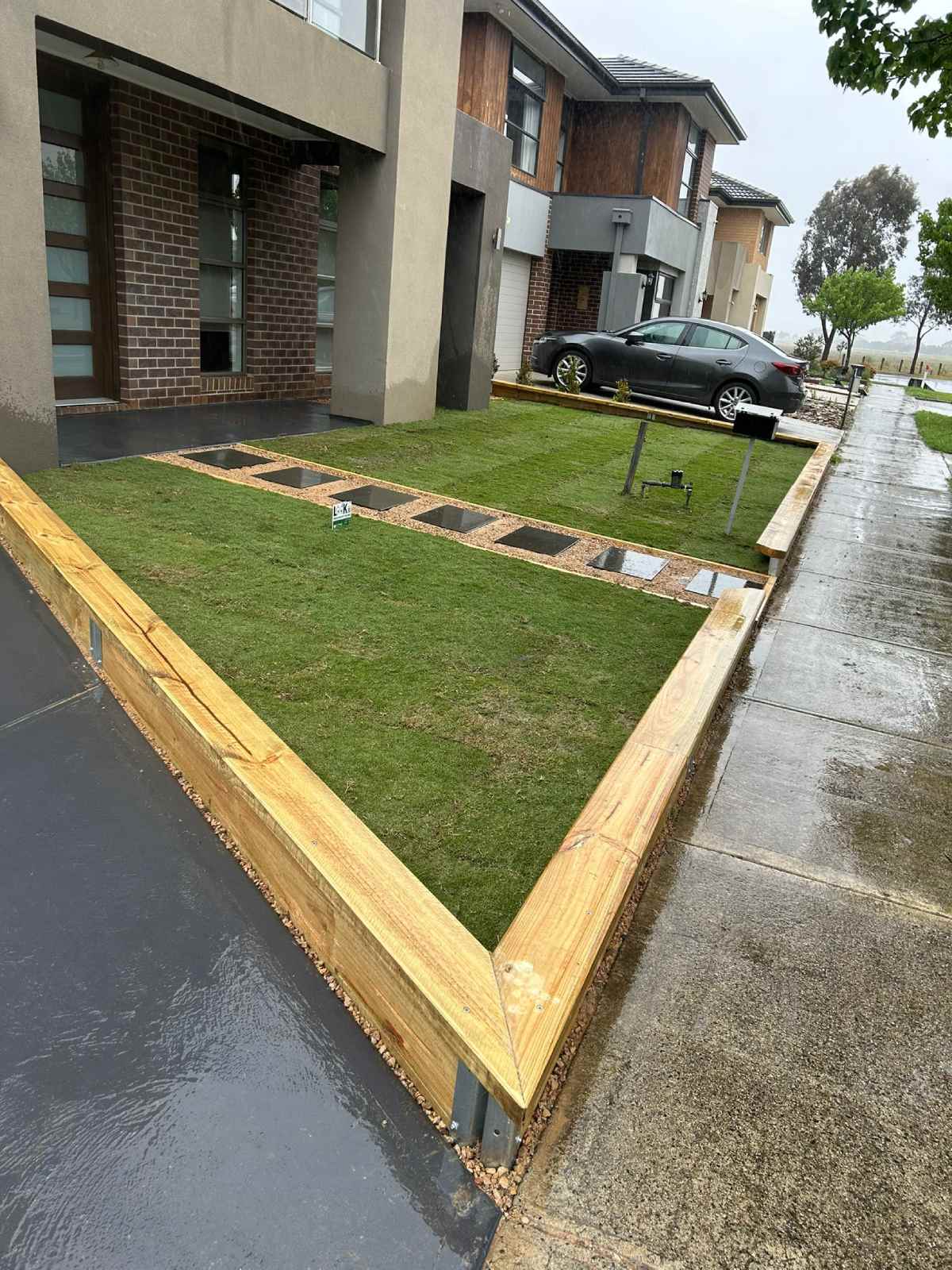
Landscaping Truganina and Wyndham Vale for Beautiful, Practical Outdoor Spaces

Finding the right landscaping solution can transform an ordinary backyard into an outdoor area that feels welcoming, organised and easy to enjoy. For homeowners searching for Landscaping Truganina or Landscaping Wyndham Vale, the goal is often to improve the appearance of the property while creating useful space for relaxing, entertaining and spending time with family.

A well planned landscape brings together garden beds, pathways, paving, lawn areas and outdoor living features. Depending on the property, the project may also include decking, retaining walls, pergolas or other hardscape elements. When these features work together, the garden becomes more than an attractive space. It becomes a practical extension of the home.

At Joel Construction, landscaping connects with a wider range of outdoor construction services. This approach helps homeowners consider the complete outdoor area instead of making separate decisions about each feature.

Whether you want to refresh an existing garden in Truganina, improve a backyard in Wyndham Vale or plan a larger outdoor renovation, the right approach starts with understanding your property and how you want to use it.

Why Choose Professional Landscaping in Truganina and Wyndham Vale?

Landscaping involves several decisions that influence the appearance, functionality and maintenance of your property. Choosing plants is only one part of the process. You also need to consider ground levels, access, drainage, materials, sunlight and the relationship between the house and garden.

For example, a family that regularly entertains outdoors may need a paved seating area, practical pathways and space for outdoor furniture. Another household may prefer a simple garden with low maintenance planting and a small lawn. Meanwhile, a homeowner preparing a property for sale may prioritise street appeal and a tidy front garden.

Professional planning helps bring these requirements together.

Create a garden that suits your lifestyle

Your outdoor space should reflect the way you live. A family garden may need room for children to play while keeping garden beds away from high traffic areas. An entertaining space might benefit from paving or decking close to the house. A smaller backyard could use carefully positioned planting to create a feeling of depth.

Rather than copying a design from another property, consider how each section of your garden will function.

Improve the appearance of your property

A coordinated landscape can make a home look more complete. Consistent materials, defined garden edges and well positioned plants create a visual connection between the house and the outdoor area.

In addition, a neat front garden can improve the first impression visitors receive when approaching your property. A practical backyard can make everyday life more enjoyable.

Make outdoor maintenance manageable

A beautiful garden should not become an unreasonable maintenance burden. Before choosing plants and materials, think about the time you can realistically spend maintaining the area.

Low maintenance landscaping may involve durable paving, well defined garden beds, suitable plant selection and a lawn area sized to your needs. However, low maintenance does not mean no maintenance. Every outdoor space requires some care.

Coordinate landscaping with outdoor construction

Some projects require more than garden improvements. You may want to combine planting with paving, decking, a pergola or retaining structures.

Planning these features together helps avoid design conflicts and unnecessary rework. It also makes it easier to establish a consistent style throughout the property.

Landscaping Truganina: Planning Outdoor Areas for Modern Homes

Truganina has many residential properties where homeowners want to make better use of their outdoor space. A backyard may need to accommodate entertaining, gardening, family activities and access around the house without feeling overcrowded.

The solution often involves creating distinct zones.

An entertaining area can sit near the back door. Garden beds can frame the boundaries. A pathway can connect the house with a side gate or shed. Meanwhile, a lawn can provide flexible space for recreation.

This layout allows each part of the garden to serve a purpose.

Front yard landscaping in Truganina

The front garden shapes the first impression of your home. Even a relatively simple design can improve its appearance when the elements work together.

Start by assessing the entrance, existing driveway, available planting space and pedestrian access. Then consider whether the property would benefit from structured garden beds, small feature plants, a clear path or decorative ground coverings.

Plant selection should reflect sunlight, available space and expected growth. A plant that looks small at the nursery may eventually obstruct a path or cover a window if it grows beyond the available space.

Likewise, avoid placing plants where they restrict access or interfere with visibility near vehicle entrances.

A balanced front garden creates visual interest without making the entrance difficult to maintain.

Backyard landscaping in Truganina

Backyards often need to support several activities. The challenge is to provide enough usable space while maintaining a comfortable garden atmosphere.

Start by identifying the main purpose of the yard. If entertaining is a priority, a paved area or deck may form the centre of the design. If gardening matters more, you might allocate additional space to planting beds.

For family use, keep circulation routes clear and consider how children will move between the house, lawn and other areas.

Additionally, think about shade. A garden that receives strong afternoon sunlight may need suitable shade planning or plants that tolerate those conditions.

The finished layout should feel connected rather than divided into unrelated sections.

Small garden landscaping in Truganina

A small outdoor area can still offer several useful features. The key is to avoid filling every available section with separate elements.

Use a consistent palette of materials to create visual continuity. Keep pathways practical and avoid oversized features that consume valuable space. Vertical planting or carefully positioned screening may also provide greenery without taking up much ground area.

Furthermore, a limited number of well chosen plants can create a cleaner appearance than numerous varieties competing for attention.

The goal is to make the available space feel organised, comfortable and easy to use.

Landscaping Wyndham Vale: Making Better Use of Your Backyard

Homeowners searching for Landscaping Wyndham Vale may have different priorities depending on the size, layout and condition of their property.

Some want a fresh garden after moving into a new home. Others want to replace an outdated layout or create a better connection between indoor and outdoor living.

A useful landscape begins with a clear understanding of those needs.

New home landscaping in Wyndham Vale

A newly built home may have a basic outdoor area that needs additional work before the property feels finished.

The project could involve establishing garden beds, improving pathways, planning lawn areas and creating a comfortable outdoor living zone. Depending on the site, it may also require ground preparation or coordination with paving and other construction work.

Before choosing the final layout, check the levels around the house and consider how surface water moves through the property.

It is also important to identify existing service locations and any site restrictions that may affect planting or construction.

By addressing these matters early, you can develop a landscape that suits the property rather than simply filling the available space.

Backyard landscaping for entertaining

An outdoor entertaining area should provide comfortable space for people to gather while maintaining convenient access to the house.

A paved patio can create a durable seating area. Alternatively, decking may suit a design that aims to connect the house with the garden. A pergola can help define the space and may provide shade when designed with suitable materials and positioning.

The arrangement of these features matters just as much as their appearance.

Allow enough room for furniture and movement. Keep access routes clear and consider where outdoor lighting or other services may be required. Also, think about how the area will function when several people use it at the same time.

For homeowners considering timber or composite outdoor platforms, explore the Joel Construction decking service.

Low maintenance landscaping in Wyndham Vale

Many homeowners prefer a garden that looks attractive without demanding constant attention.

A low maintenance landscape may use hardy plants suited to the local conditions, defined garden edges and practical surface materials. It can also reduce unnecessary lawn areas where mowing and edging would otherwise take considerable time.

However, material choice should depend on the way the space will be used. A paved area needs suitable preparation and drainage. Garden beds require soil and watering considerations. Plants still need pruning and occasional replacement.

A thoughtful design balances the amount of greenery you want with the time you can spend caring for it.

What Landscaping Services Can Include

Every property has different requirements. Some projects focus mainly on garden improvements while others combine several outdoor construction elements.

Understanding the available options makes it easier to plan a suitable scope of work.

Garden design and planting

Garden design considers the arrangement of plants, garden beds, lawn areas and other landscape features.

Plant selection should account for sunlight, soil conditions, expected growth, watering needs and the amount of maintenance you prefer. It is also important to consider how plants will look as they mature.

For example, a small garden may benefit from a few carefully selected feature plants instead of numerous varieties. A larger area might support layered planting that creates depth and visual interest.

The final selection should complement the house and remain practical for the available space.

Hardscaping and outdoor surfaces

Hardscaping refers to the non living elements of a landscape. These can include paths, paved areas, steps, retaining structures and other built features.

Hardscaping helps define how people use the outdoor area. A path provides access. A paved section supports furniture. A retaining structure may manage a change in ground level where the design and site conditions require it.

Materials should suit the expected use of the space. Consider durability, appearance, maintenance and slip resistance where relevant.

You can explore the Joel Construction hardscapes service when planning built elements for your garden.

Paving and pathways

Paving creates usable outdoor surfaces and can connect different parts of a property.

A well planned pathway should provide a clear route between important areas. Meanwhile, a patio can create space for outdoor dining or seating.

The finished surface depends on more than the paving material itself. Ground preparation, base stability, falls and drainage all influence performance.

Poor preparation can contribute to uneven surfaces or water collecting in unwanted areas. Therefore, discuss the proposed preparation and drainage approach before work begins.

Learn more about Joel Construction paving services.

Decking and outdoor living areas

Decking can create a defined outdoor living space beside the house or within the garden.

It may suit properties where homeowners want a platform for seating, dining or relaxing. The design should account for the height of the structure, access, material selection and relevant construction requirements.

Before proceeding, confirm whether the proposed deck needs approval and whether its location affects boundaries, drainage or other property features.

A deck should also connect naturally with surrounding garden areas. Planting around its edges can soften the transition between the structure and the landscape.

Retaining walls and changes in ground level

Some properties have sloping sections or different ground levels that influence how the outdoor area can function.

A retaining wall may help manage a level change and create a more usable area. However, retaining structures require careful consideration of soil conditions, drainage, loads and construction requirements.

Do not assume that every retaining wall can use the same design. Wall height, site conditions and nearby structures can affect the solution.

Where engineering, permits or specialist assessment are required, obtain the appropriate advice before construction begins.

Explore the Joel Construction retaining walls service for related outdoor construction options.

Pergolas and shade structures

A pergola can create a defined outdoor area and contribute to the overall appearance of the garden.

Its location should reflect the movement of the sun, the position of doors and windows and the intended use of the space. Consider how the structure will relate to nearby paving, decking, garden beds and outdoor furniture.

Before construction, check the applicable requirements for the proposed structure. A pergola may require approvals depending on its design, dimensions, location and other circumstances.

The Joel Construction pergolas service provides another option to consider when planning a coordinated outdoor area.

How to Plan a Landscaping Project

Good landscaping begins before materials arrive on site. A clear plan helps establish priorities, manage costs and reduce the likelihood of avoidable changes.

Step 1: Decide what you want to achieve

Begin by listing the main reasons for the project.

You might want a more attractive front garden, a practical backyard, a larger entertaining area or less time spent on maintenance. Some homeowners need better pathways while others want to combine planting with decking or paving.

Separate essential requirements from optional features. This makes it easier to prioritise the budget.

Step 2: Assess the existing property

Look at the current condition of the outdoor area.

Identify uneven ground, existing trees, access restrictions, drainage concerns, damaged surfaces and structures that you want to retain. Take note of the available space and how people currently move around the property.

Also consider sunlight, shade and privacy.

These observations help determine which improvements will have the greatest practical benefit.

Step 3: Establish a realistic budget

Landscaping costs vary according to the size of the area, the amount of preparation, the materials selected and the complexity of construction.

A project involving planting and basic garden preparation will generally have a different scope from one that includes extensive paving, decking or retaining structures.

Ask for a written quote that clearly describes the work, materials, preparation, exclusions and any provisional allowances. If you plan to complete the project in stages, discuss how the stages will connect and whether separate work could affect the final result.

Step 4: Choose materials carefully

Materials should suit both the design and the conditions of the site.

Consider durability, maintenance, appearance and the way the surface will be used. For example, a pathway needs different performance characteristics from a decorative garden feature.

Likewise, plants should suit the available light and soil conditions rather than being selected solely for their appearance at purchase.

Step 5: Confirm access and site requirements

Access can influence the equipment, labour and time needed to complete landscaping work.

Narrow side passages, existing structures and limited storage space may affect how materials reach the work area. Before work begins, discuss site access and identify any areas that need protection.

Also check the location of underground services before excavation or ground penetration.

Step 6: Plan the construction sequence

The order of work can affect both cost and quality.

Ground preparation and major construction generally need coordination with paving, retaining structures, drainage and planting. Completing garden beds before heavy construction equipment leaves the site may lead to avoidable damage or rework.

Discuss the sequence with the contractor so that each stage supports the next.

Step 7: Review the finished work

At completion, check that the agreed scope has been addressed.

Look at the condition of surfaces, access routes, garden edges and planted areas. Confirm that any agreed clean up has taken place and ask for maintenance guidance where appropriate.

A clear completion review helps you understand what has been delivered and how to care for the finished landscape.

Landscaping and Drainage: Why the Details Matter

Drainage deserves attention during landscaping because outdoor surfaces and changes in ground level can influence how water moves around a property.

Poorly planned levels may direct water towards a house or create areas where water remains after rain. Paving and other hard surfaces can also change the way water travels across the site.

Before landscaping begins, consider the existing fall of the ground, roof water outlets, garden beds and paved areas.

Where a drainage problem already exists, identify the cause before choosing a solution. Simply adding soil or paving over an affected area may conceal the problem without correcting it.

Drainage work should follow the applicable requirements and suit the conditions of the property. Where necessary, obtain advice from a qualified drainage professional or other appropriate specialist.

Choosing Plants for Truganina and Wyndham Vale Gardens

Plant selection influences the appearance and maintenance of a landscape for years to come.

The right plants depend on site conditions rather than suburb names alone. Sunlight, soil, wind exposure, watering needs and available space can differ significantly between properties.

Consider sunlight and shade

Observe the garden at different times of the day. An area that receives morning sunlight may have very different conditions from one exposed to strong afternoon sun.

Choose plants that suit the actual conditions. This can reduce unnecessary maintenance and improve the chances of healthy growth.

Allow room for mature growth

Check the expected height and spread of each plant before placing it in a garden bed.

Plants that grow too close together may compete for space and require frequent pruning. Large shrubs can also block windows or restrict pathways if the design does not allow for their mature size.

Think about water requirements

Group plants with similar watering needs where practical. This can make garden care more manageable.

However, avoid assuming that every drought tolerant plant will thrive in every location. Soil, drainage and establishment conditions still matter.

Balance greenery with usable space

A garden should provide enough planting to create a pleasant environment without restricting movement.

For example, low planting can frame a pathway while taller plants may provide screening in suitable locations. Keep sightlines and access in mind when deciding where to place larger features.

Landscaping for Privacy and Outdoor Comfort

Privacy is an important consideration for many residential outdoor areas.

Garden planting, screening and the arrangement of outdoor structures can help create a more comfortable setting. However, the right solution depends on boundary locations, available space and the amount of privacy required.

Plants can soften views between neighbouring properties. Screening structures may provide a more immediate visual barrier. Pergolas and suitable shade features can also help define a seating area.

Before installing boundary structures or large plants, check property boundaries and relevant local requirements. Consider the mature height of plants and avoid blocking access or creating maintenance problems.

A balanced design can improve privacy while maintaining natural light and an open feeling.

Sustainable and Water Conscious Landscaping

A practical landscape can support responsible water use and reduce unnecessary maintenance.

Choose plants suited to the local climate and actual garden conditions. Improve garden planning so that watering reaches the intended areas rather than paved surfaces. Mulch can help reduce moisture loss in suitable garden beds when installed and maintained appropriately.

Where possible, preserve healthy existing trees and plants if they suit the new design. Retaining established vegetation may reduce the need for replacement planting and help maintain the character of the garden.

Material selection also matters. Durable surfaces can reduce the need for frequent replacement, while sensible planning can prevent unnecessary demolition and waste.

Sustainable landscaping does not require every garden to look the same. It means selecting practical solutions that fit the property and its intended use.

How Much Does Landscaping Cost in Truganina or Wyndham Vale?

There is no single price for landscaping because each property and project has different requirements.

The total cost can depend on several factors.

Size of the project: Larger areas usually require more materials and labour.

Ground preparation: Uneven ground, unsuitable soil or substantial site preparation can increase the work involved.

Material selection: Natural stone, concrete paving, decking and other materials have different supply and installation costs.

Construction features: Retaining walls, pergolas and other structures may require additional design, engineering or approvals.

Access: Difficult access can affect how workers move materials and equipment around the property.

Drainage requirements: Existing drainage problems may need investigation and additional work.

Plant selection: The number, size and type of plants influence the supply and installation costs.

Waste removal: Removing old surfaces, soil or unwanted vegetation may add to the project scope.

The best way to understand the cost is to obtain a written quote based on the actual property and agreed work.

Compare quotes by looking at what each contractor includes rather than choosing solely on the lowest price. One quote may include preparation and waste removal while another may exclude those items.

Ask about variations and how the contractor will handle unexpected site conditions. Clear communication at the start can reduce confusion later.

How Long Does a Landscaping Project Take?

The timeframe depends on the size and complexity of the project.

A small garden refresh may take much less time than an outdoor renovation involving paving, decking, retaining walls and planting. Weather, access, material availability and unexpected site conditions can also affect progress.

Before work begins, ask for an estimated schedule and clarify which factors could change it.

The construction sequence matters as well. Some materials need suitable preparation before installation, while planting may need to wait until heavy construction work has finished.

A realistic schedule allows enough time to complete the work properly rather than rushing important preparation.

What Should You Ask Before Hiring a Landscaper?

Choosing a contractor is an important part of planning your outdoor project.

Start by explaining your priorities and asking how the proposed work will address them. A clear discussion helps establish whether the contractor understands your expectations.

Consider asking these questions:

  1. What work does the quote include?
  2. Which materials and finishes are specified?
  3. Who will organise any required approvals?
  4. How will the contractor handle drainage and ground preparation?
  5. What happens if the site contains unexpected conditions?
  6. How will variations affect the cost and schedule?
  7. What access will the team need?
  8. How will the work area be protected?
  9. What is the expected sequence of construction?
  10. What maintenance will the finished landscape require?

Request a written quote and keep agreed changes in writing. For projects that fall under Victorian domestic building contract requirements, make sure the contractor uses the appropriate contract and meets applicable registration requirements.

Consumer Affairs Victoria provides guidance on building contracts and home improvement projects.

Why Coordinate Landscaping With Other Outdoor Services?

A landscaping project often involves several features that need to work together.

For example, a backyard renovation may combine garden beds, paving and a deck. Another property may need retaining work before the final garden layout can proceed. A pergola may form part of a larger entertaining area with a paved floor and surrounding planting.

Coordinating these elements early can help reduce clashes between materials, levels and access routes.

Joel Construction offers related outdoor construction services that homeowners can consider alongside landscaping.

For paving, review the paving service. If you want a defined structure for outdoor dining or relaxation, explore pergola options. For a project involving changes in ground level, the retaining walls service may also be relevant.

The suitable combination depends on the property and the project scope. Not every garden needs every feature. The goal is to select elements that solve genuine problems and improve how the space works.

Common Landscaping Mistakes to Avoid

Even an attractive design can create problems if important practical details receive too little attention.

Starting without a clear plan

Choosing plants and materials before deciding how the space will function can lead to unnecessary changes. Establish your priorities and layout first.

Ignoring drainage

Water movement can affect garden beds, paving and the area around the house. Assess drainage before changing levels or installing large hard surfaces.

Selecting plants without checking their mature size

A plant that fits today may become difficult to manage later. Check its expected growth before planting.

Using too many materials

Combining too many colours, textures and surface types can make a garden feel disjointed. A coordinated material palette usually creates a more consistent result.

Underestimating maintenance

A garden with extensive planting may look appealing but require more attention than you can provide. Consider maintenance before finalising the design.

Forgetting access

Paths and gates should support the way people use the property. Make sure the layout allows convenient movement between important areas.

Failing to confirm the scope in writing

Verbal discussions can lead to different expectations. Record the work, materials, exclusions, price and arrangements for changes in a written agreement.

Avoiding these mistakes helps create a landscape that looks good and remains useful over time.

Preparing Your Property Before Landscaping Begins

A little preparation can make the work easier to organise.

First, identify the areas you want to improve and remove personal items from the work zone where practical. Discuss access arrangements and any restrictions with the contractor.

Point out existing services, drainage concerns, irrigation lines and features that need protection. If you are unsure where underground services run, arrange the appropriate checks before excavation or ground penetration.

Next, confirm the agreed scope, material selections and construction sequence. Ask whether the contractor needs space for deliveries or temporary storage.

Finally, discuss how the team will manage waste and protect surrounding areas. These details are particularly useful when the property remains occupied during construction.

Local Landscaping Considerations for Truganina and Wyndham Vale

Although both suburbs are within Melbourne’s western growth corridor, the conditions of individual properties can vary.

Some gardens may have limited space and straightforward access. Others may include sloping sections, compacted ground, existing structures or drainage concerns.

For that reason, a site specific assessment is more useful than relying on a standard design for every property.

Before selecting plants, check the available sunlight and soil conditions. Before installing paving, consider levels and water movement. Before constructing a retaining wall or outdoor structure, check the relevant design and approval requirements.

Local planning requirements may also affect some projects. If your work involves substantial structures, boundary changes, significant vegetation or other regulated activities, contact the relevant council or an appropriate professional to confirm the requirements.

A successful landscape responds to the property as it exists rather than relying on assumptions about the suburb.

Landscaping Truganina and Wyndham Vale for Long Term Value

Good landscaping can improve everyday enjoyment by making outdoor space more practical and attractive.

A clear pathway can make access easier. A well planned entertaining area can provide a comfortable place to gather. Suitable planting can soften hard surfaces and create a more welcoming environment. Meanwhile, a coordinated front garden can improve the overall presentation of the property.

The long term result depends on sensible design, appropriate materials and ongoing maintenance.

Rather than adding features simply because they are popular, focus on the improvements that best suit your household. A simple landscape with the right layout can work better than a more elaborate design that does not fit your needs.

The most useful question is not how many features you can add. It is how effectively the finished outdoor area supports your lifestyle.

Frequently Asked Questions

1. What landscaping services are available in Truganina?

Landscaping projects may include garden beds, planting, lawn areas, pathways, paving, outdoor living spaces and coordination with features such as decking, pergolas and retaining walls. The appropriate services depend on the property and the agreed project scope.

2. Can I arrange landscaping in Wyndham Vale for a new home?

Yes. New home landscaping can involve preparing outdoor areas, establishing garden beds, planning lawn space and creating pathways or entertaining areas. Assess ground levels, drainage and access before finalising the design.

3. How do I choose between paving and decking?

Paving can provide a durable surface for paths, patios and other outdoor areas. Decking can create a raised or defined outdoor living platform, depending on the design. Compare the intended use, ground conditions, maintenance requirements, budget and construction needs before choosing.

4. What is included in a landscaping quote?

A quote should describe the work, materials, preparation, labour, waste removal where applicable, exclusions and any allowances for uncertain costs. It should also explain the process for approving changes.

5. How can I make my garden easier to maintain?

Choose plants suited to the site, allow room for mature growth, keep pathways practical and avoid unnecessary planting complexity. Consider how much lawn you want to maintain and select surfaces that suit the intended use.

6. Do I need approval for landscaping work in Victoria?

Some landscaping work may require permits or other checks, particularly when it includes certain structures, retaining walls, significant site changes or work near protected vegetation or pool barriers. Requirements depend on the proposed work and property. Check with the relevant council or a qualified professional before construction.

7. Can landscaping improve drainage around my house?

Landscaping can help manage surface levels and the arrangement of outdoor areas, but it must not direct water towards the house or create new drainage problems. Identify the cause of existing water issues and seek suitable professional advice where needed.

8. How much does landscaping cost in Truganina or Wyndham Vale?

Costs vary with project size, preparation, materials, access and construction complexity. A site specific written quote provides a more useful estimate than a general price range.

9. Is it better to complete landscaping in stages?

Staging can help homeowners manage their budget and prioritise essential work. However, plan the complete layout first so that later stages connect properly with earlier work. Consider whether separate stages could increase costs or cause rework.

10. How do I get started with Joel Construction?

Start by identifying your goals, preferred features and approximate budget. Then visit the Joel Construction website to review its outdoor services and make an enquiry about your project.

Plan Your Landscaping Project With Joel Construction

Whether you are improving a front garden in Truganina or transforming a backyard in Wyndham Vale, start with a clear plan that reflects your property, lifestyle and budget.

Joel Construction offers landscaping alongside related outdoor construction services. Reviewing the available options can help you decide which features belong in your project and which improvements should take priority.

Call to action 1: Visit Joel Construction to explore the business and its outdoor services. Prepare a short list of your goals and the features you would like to discuss before making an enquiry.

Create an Outdoor Space That Works for You

A successful landscape should balance appearance, practicality and maintenance. Careful planning helps connect garden areas with pathways, paving and outdoor living features while reducing the risk of avoidable changes.

Take time to consider the existing ground conditions, drainage, access and how you intend to use the space. Then choose materials and features that suit the property rather than following a design that may not work for your needs.

Call to action 2: Ready to discuss Landscaping Truganina or Landscaping Wyndham Vale? Contact Joel Construction through its official website to enquire about your outdoor project and the services that may suit your requirements.

Conclusion

Landscaping Truganina and Landscaping Wyndham Vale projects can make outdoor areas more comfortable, attractive and functional when the design responds to the needs of the household.

From simple garden improvements to coordinated outdoor spaces featuring paving, decking, pergolas or retaining structures, the right approach starts with a clear plan. Consider ground conditions, drainage, materials, access and maintenance before committing to the final design.

With realistic expectations and a clearly defined scope, homeowners can make informed decisions and work towards an outdoor space that complements their home for years to come.
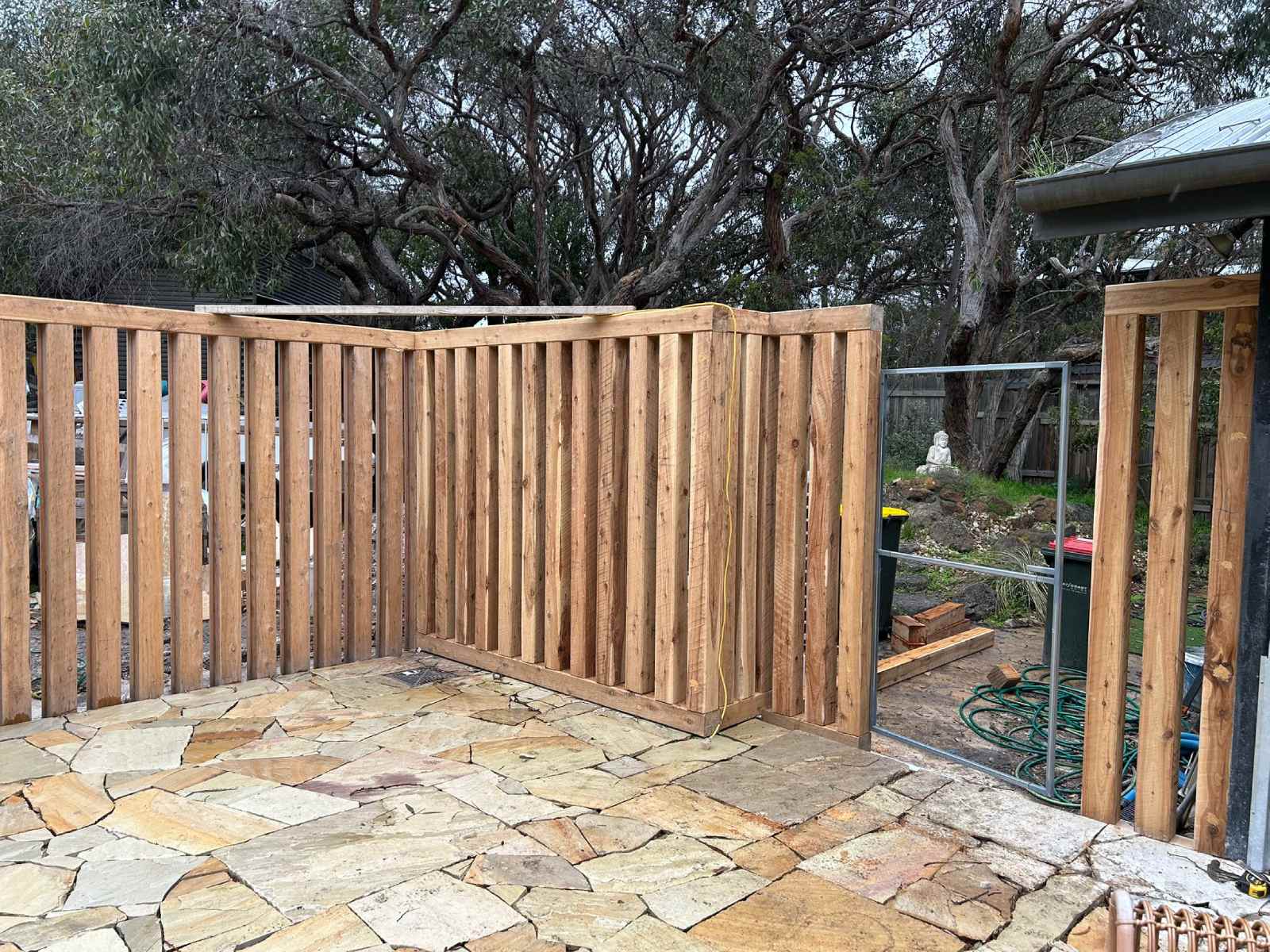
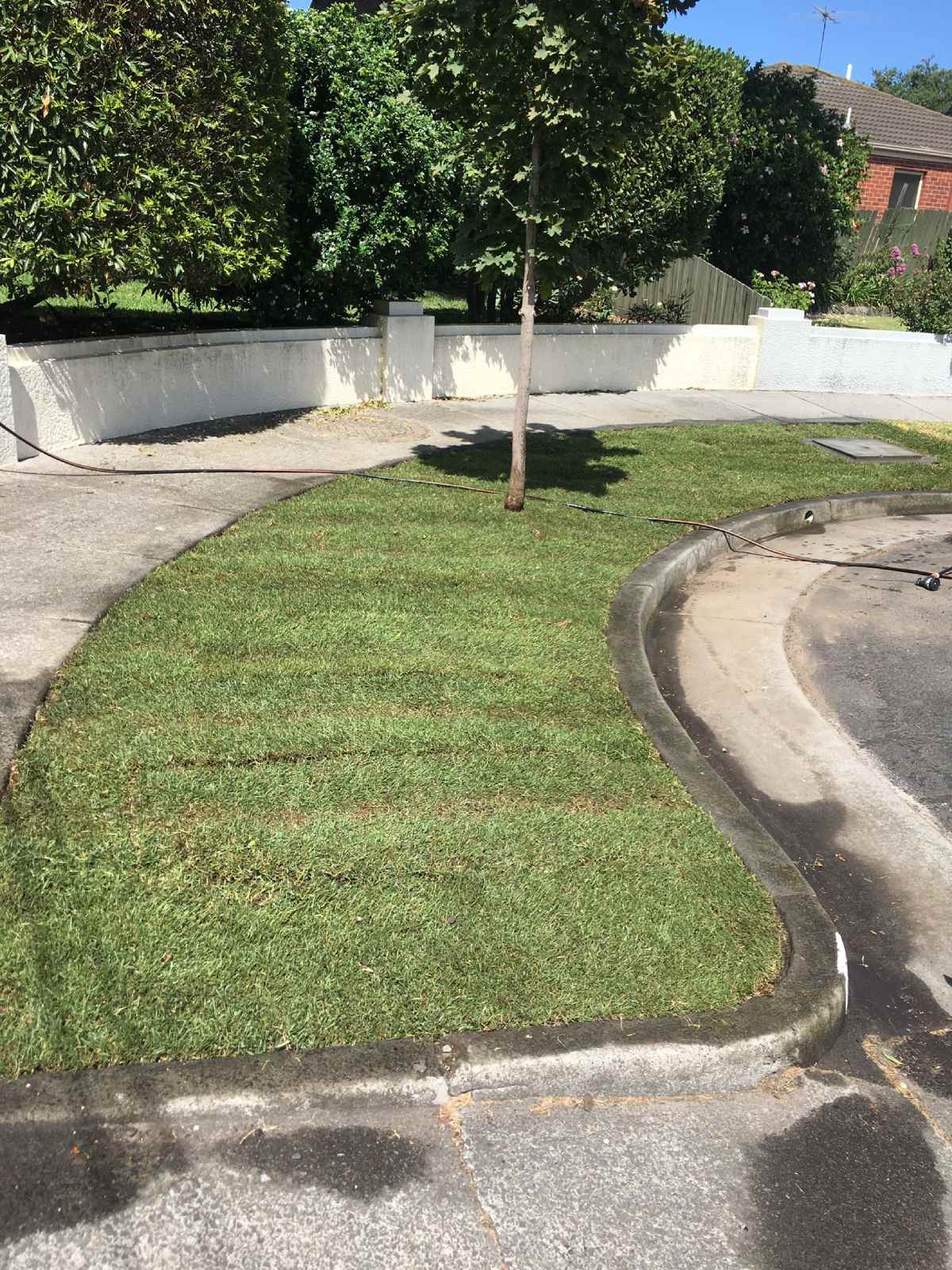
Landscaping Hoppers Crossing and Tarneit: A Complete Guide

Landscaping Hoppers Crossing and landscaping Tarneit projects start from very different places. One suburb has established homes with mature trees and tired outdoor areas. The other has fresh builds with bare yards that wait for a plan. Even so, owners in both suburbs want the same result: an outdoor space that looks sharp, handles heavy clay and suits the way the family lives.

Quick answer: Landscaping in Hoppers Crossing and Tarneit means designing and building outdoor areas such as lawns, garden beds, paving, concrete, decks, pergolas, screens and retaining walls. The best results come from four decisions: plan drainage first, build hard surfaces before planting, choose plants for clay and heat, and check council and estate rules early. Joel Construction delivers landscaping, hardscapes, decking, paving and concreting with more than 17 years of experience.

Joel Construction builds outdoor and indoor spaces that are functional, stylish and made to last. The team works across Melbourne’s west, and clients in Werribee, Point Cook and Truganina have shared their feedback on the company’s website. In this guide, you will see how each suburb shapes your options, what the work involves, what drives the price and how to pick a landscaper you can trust.

What Does Landscaping in Hoppers Crossing and Tarneit Involve?

Landscaping covers every part of your outdoor space. It includes the parts you see, such as lawn, plants and paving. It also includes the parts you do not see, such as levelling, drainage and base preparation. Because the hidden work decides how long the finished result lasts, a good landscaper treats it as the first priority.

Most projects follow a clear order. First, the team measures the site and talks through your goals. Next, the crew prepares the ground and fixes drainage. After that, they build structures such as retaining walls, concrete areas, paving, decks and pergolas. Finally, they add soil, turf, plants and mulch.

Typical features in these suburbs include the following. Lawns give children and pets space to play. Garden beds add colour and soften hard edges. Paved areas create entertaining zones and tidy paths. Decks lift living space above uneven ground. Pergolas add shade. Retaining walls hold back soil and create level areas. Concrete handles driveways and heavy traffic.

You can see the full range on the Landscaping service page or explore the wider services overview.

Landscaping Versus Hardscaping

People often mix up these two terms. Landscaping covers the living parts of the garden such as grass and plants. Hardscaping covers solid features such as paving, walls and stone. Both matter equally. For example, a lush garden bed still fails if the retaining wall behind it leans, and the best paving looks poor beside dead lawn.

The Hardscapes service at Joel Construction handles the structural side so your planting stays protected.

Hoppers Crossing and Tarneit: Two Suburbs With Different Starting Points

Both suburbs sit inside Wyndham City in Melbourne’s west, so they share council rules and weather. However, the homes and yards differ a great deal. Understanding your starting point helps you plan the right project.

Hoppers Crossing: Established Yards

Hoppers Crossing has many older homes on mature blocks. As a result, owners often deal with cracked concrete, worn pergolas, overgrown beds and tree roots that lift paving. Some yards have lost their shape over the years, so owners want a fresh layout that suits today’s family.

Tarneit: New Builds and Growing Estates

Tarneit has grown quickly, with many newer estates and compact blocks. New homes often come with a bare yard, a few basic concrete paths and little else. Therefore, owners usually start from scratch. They need a full plan for lawn, paving, screening and shade, and they often want to stage the work to suit their budget.

What Both Suburbs Share

Heavy clay soil, open exposure to wind and hot summer afternoons affect every yard here. In addition, both suburbs sit under the same council, so permit rules stay consistent. The next sections explain how these shared conditions influence your design.

How Western Melbourne Clay Shapes Your Landscape

Much of Melbourne’s west sits on basalt plains. The soil there contains heavy clay that swells when wet and cracks when dry. This movement affects almost every landscaping decision.

Clay drains slowly, so water can sit on the surface after storms. It also pushes against walls and lifts light paving. Meanwhile, dry spells open deep cracks that expose roots and shift fence posts.

Because of these traits, base preparation matters more than surface finish. A well compacted base, correct falls and good drainage keep paving flat. Strong footings keep decks and pergolas stable. Proper drainage behind retaining walls reduces pressure from wet soil.

Plants also need help. Mixing organic matter into clay improves structure. Raised beds give you full control of the soil mix. A thick layer of mulch slows moisture loss and protects roots through summer.

Wind adds another factor. The flat landscape means breezes sweep through yards, especially on open estate land. Therefore, solid fixings, sturdy posts and well chosen screens matter. Poor fixings fail in the first strong storm.

Landscaping Hoppers Crossing: Ideas for Established Homes

Owners in older areas often want to refresh what already exists. The goal is not just a new look but a better working yard.

Replace Tired Surfaces

Cracked concrete, sunken pavers and rotted decks look worn and create trip hazards. The crew can remove the old material, rebuild the base and install durable replacements. In many cases, this single step transforms how the yard feels.

Manage Tree Roots

Mature trees give shade and character. However, their roots can lift paving and block drains. A careful plan keeps healthy trees while redirecting paths and structures around the root zone. If a tree has become unsafe, specialist advice helps you decide.

Rethink the Layout

Older yards often have awkward shapes or single large lawns. A fresh layout creates zones for dining, play and planting. Paths connect each zone and make the space feel intentional.

Add Shade and Comfort

Many established yards lack proper shade. A pergola or a well placed deck adds comfort on hot days. Check the Pergolas service and the Decking service for ideas.

Fix Small Jobs While You Are There

A landscaping visit often reveals small repair jobs such as loose gate hardware or damaged trims. The Handyman Services page shows how Joel Construction can handle these tasks alongside the main project.

Landscaping Tarneit: Finishing a New Build Yard

New homeowners in Tarneit face a different challenge. The builder finishes the house, but the yard often needs a full design. A clear plan prevents rushed decisions.

Start With a Layout

Before you spend anything, decide how you will use the space. Do you want a large lawn for children? Do you need an entertaining deck? Would you rather have low maintenance paving with garden edges? Your answers guide every later choice.

Confirm Handover and Levels

Wait until the builder completes final handover. Then check the yard levels, drainage points and any services near the slab. New estates sometimes leave small slopes that send water toward the house. A landscaper can correct these falls before building paving or planting beds.

Check Estate Guidelines

Many newer estates can carry design guidelines or covenants. These rules may control fence heights, front yard finishes or the position of sheds and structures. Some estates also expect front yards to reach a set standard within a certain time. Therefore, review your contract of sale and estate documents before you commit to a design.

Stage the Work

New owners often stretch their budget on the house. Staging solves this problem. Build the front yard, drainage and key hard surfaces first. Add the deck, pergola and detailed planting in later stages. Joel Construction can plan a layout that works as a whole while you build it in steps.

Use Compact Space Well

Smaller blocks reward clever design. Use multi purpose zones, built in seating and planter boxes along fences. Add vertical features such as screens and climbers to create height and privacy. The Wall and Screens service covers options for boundaries and feature areas.

Front Yards, Driveways and Kerb Appeal

The front yard sets the first impression of your home. It also often carries estate or council requirements, so it deserves early attention.

A good front yard balances low maintenance with strong looks. Layered planting adds depth. Edging keeps lawn and beds tidy. A clear path from the street to the door guides visitors and improves safety.

Driveways need extra care. They carry heavy loads and the clay beneath them moves. Therefore, a solid base and reinforced concrete help prevent cracks. Control joints let the slab move without splitting. If you plan a new driveway or a path, see the Concreting service for details.

Nature strips fall under council control. Before you plant, pave or change a nature strip, check the rules with Wyndham City Council. Some changes need approval, and services often run beneath the strip.

Lighting adds another layer. Path lights improve safety, and soft spotlights highlight trees and walls. Install conduit during construction so you avoid digging up finished surfaces later.

Backyard Zones: Entertaining, Play and Garden

Backyards work best when you divide them into clear zones. Zones keep the space organised and help it feel larger.

An entertaining zone sits close to the house. It usually combines a deck or paved area with shade. A play zone needs soft, open lawn away from hard edges. A garden zone holds beds, edible plants and flowers. A service zone hides bins, clotheslines and storage.

Paths link the zones and guide movement. Make them wide enough for comfortable walking. Slightly curved paths add softness, while straight paths feel modern and efficient.

Balance hard and soft surfaces. Too much paving feels harsh and heats up in summer. Too much lawn demands constant mowing and watering. A thoughtful mix gives comfort and variety.

Keep a consistent palette. Choose two or three materials that suit your home and repeat them. For instance, pair neutral paving with timber decking and green planting. A simple palette looks calm and refined.

Paving, Concreting and Retaining Walls

Hard surfaces form the backbone of your landscape. Build them first, because heavy work damages finished gardens.

Paving

Paving suits entertaining areas, paths and courtyards. A great paving job depends on a compacted base, correct falls for drainage and neat joints. Poor preparation causes sinking, tilting and weeds. The Paving service explains the options available.

Concrete

Concrete works well for driveways, paths and slabs. In clay areas, reinforcement and control joints help manage movement. Good finishing also improves grip and appearance.

Retaining Walls

Retaining walls hold soil and create level areas on sloping blocks. They also reduce erosion and protect structures. Because they carry heavy loads, they need solid footings, drainage behind the wall and sound materials. The Retaining Walls service covers this work.

In Victoria, a retaining wall that reaches one metre in height generally needs a building permit. Shorter walls near boundaries or buildings can also need one. Always confirm the rules before you build.

Decks, Pergolas and Shade

Decks and pergolas turn a yard into an extra room. They also add value when built well.

Decks suit sloping ground, uneven areas and spaces beside the house. Timber offers a warm, natural look but needs regular sealing. Composite boards resist weather and need less upkeep, though they cost more up front. Frame quality matters just as much as board choice, so insist on strong footings and treated timber.

Pergolas offer shade and structure. You can attach one to the house or build it freestanding. Climbing plants add natural cooling. Alternatively, solid or louvred roofs give year round protection.

Wind exposure influences both structures. Choose sturdy posts, proper fixings and well designed bracing. Placement matters too. A pergola that blocks the afternoon sun can cut summer heat inside the house.

Some low decks and simple pergolas fall under building permit exemptions in Victoria. Size, height, roof type and distance from boundaries all affect the answer. Wyndham City Council’s building team can confirm the rules, and you can start with its building permit enquiry page.

Lawn, Turf and Plant Choices

Plants bring a landscape to life. However, the wrong choices lead to patchy lawns and dead beds.

Prepare the Soil First

Clay needs improvement. Mix in quality organic matter to open the structure. Raised beds give you control where the existing soil is poor. A level, firm and weed free base lets turf root well.

Choose Turf That Suits Your Use

Buffalo handles some shade and stays soft underfoot. Couch recovers quickly from heavy use but prefers full sun. Kikuyu grows fast and tolerates traffic. Match the variety to sun, wear and watering habits. Artificial turf suits small, shaded areas, though it can get hot in summer.

Pick Plants for Clay and Heat

Hardy natives such as westringia, correa, grevillea and lomandra often cope well with clay and dry spells. Ornamental grasses add movement and texture. Always check the mature size of each plant so it does not outgrow its space.

Layer the Garden

Layered planting looks fuller and richer. Put tall plants at the back, medium plants in the middle and ground covers at the front. Mulch beds well to hold moisture and control weeds.

Plan for Edible Plants

Many families want herbs and vegetables. Raised beds near the kitchen make harvesting easy. Choose a sunny spot with at least six hours of light.

Drainage and Water Smart Design

Water causes more landscaping failures than any other factor. Clay makes good drainage essential in Hoppers Crossing and Tarneit.

Watch your yard during heavy rain. Note where water pools and where it runs. These patterns reveal problem areas. Water should always move away from the house and toward a legal point of discharge.

Paved surfaces need a slight fall so water drains off. Lawns also need gentle grading. Without correct falls, puddles form and damage surfaces. Subsurface drains, sumps and stormwater connections move water from low spots. Retaining walls need drainage behind them to release pressure.

Keep soil and mulch below damp course levels and weep holes. Direct downpipes into proper stormwater connections. Do not let garden beds trap water against walls.

Water smart choices also lower costs. Mulch, drip irrigation and drought tolerant plants reduce water use. Smart controllers adjust watering to the weather. As a result, your garden stays healthy through dry summers with less effort.

Fences, Screens and Privacy

Neighbours sit close on many Tarneit and Hoppers Crossing streets. Privacy therefore ranks high on many wish lists.

Fence rules vary by boundary type and location. Dividing fences involve neighbours under Victorian law, so talk to them early. Screens inside your own yard offer more freedom. A slatted screen blocks views while letting breezes pass. A feature wall adds style and creates a backdrop for planting.

Tall plants such as screening shrubs add soft privacy over time. Combine them with structures for faster results. Place screens where they block the worst views, such as a neighbour’s upper windows or an open side path.

Remember wind load. A solid screen on an open site catches strong gusts. Strong posts, deep footings and sensible spacing prevent leaning and failure.

Permits, Estate Rules and Safety Checks

Rules protect you and your neighbours. Check them before you start.

Wyndham City Council covers both suburbs. Some structures need building permits, and some sites need planning permits depending on overlays and zoning. Common examples include taller retaining walls, larger decks, roofed structures and works near boundaries. Start with the council’s building permit information and visit the Wyndham City Council website for general contact details.

Joel Construction does not replace a building surveyor or town planner. Instead, the team recommends that you confirm requirements early and share any permits before work begins.

Check easements before you build. Easements protect drains and services, and building over them can cause serious problems. Confirm your boundaries too, especially before you build walls or fences.

Before any digging, check for buried cables and pipes. The free national Dial Before You Dig service provides plans. You can request them at Before You Dig Australia or by calling 1100. Plans show approximate positions, so careful hand digging confirms exact locations.

Finally, keep children and pets away from the work area. Professional crews manage tools, materials and open excavations safely.

What Affects the Cost of Landscaping Hoppers Crossing and Tarneit?

Everyone wants a number straight away. However, honest pricing depends on the details of your yard and your design. Several factors shape the final figure.

Project size comes first. A small courtyard costs less than a full backyard rebuild. Materials come next. Natural stone and premium timber cost more than basic options. Composite decking costs more than treated pine but needs less upkeep.

Site conditions matter too. Sloping ground, poor access and heavy clay add work. Removing old structures adds time. Structural work such as retaining walls, footings and concrete needs more labour and materials than planting. Taller walls may need engineering input.

Drainage, irrigation and lighting add to the budget but also add long term value. Plants and turf vary widely in price. Mature plants cost more than small ones, though they establish faster.

Permits and approvals add fees. Your contractor should explain these costs upfront. Timing matters as well. Wet weather causes delays, and urgent timelines may need extra resources.

How to Get an Accurate Price

Photos, measurements and a clear wish list help the team understand your project. A site visit then confirms the details. Joel Construction offers free, no obligation quotes on all services. Ready to plan your yard? Request your free estimate from Joel Construction and share your ideas, your budget and your timeline.

Staging Your Landscaping Project

Few owners complete everything at once. Staging spreads the cost and keeps the project manageable.

Stage one covers the foundations. Fix drainage, correct levels and build retaining walls and concrete. Stage two adds the main hard surfaces such as paving, decking and pergolas. Stage three installs turf, plants and mulch. Stage four adds finishing touches such as lighting, screens and feature planting.

Each stage should leave the yard safe and usable. Plan the whole layout first so later stages fit without rework. For example, run conduit for lighting and irrigation sleeves under paving before you lay it, even if you install the fittings later.

How a Landscaping Project Runs From Start to Finish

Knowing the process removes stress. Here is how a well run job usually unfolds.

Step 1: Conversation and Site Visit

You describe your goals, style and budget. The team inspects the site, measures the space and notes levels, drainage and access.

Step 2: Design and Quote

You receive a plan with layouts and materials. The quote lists inclusions clearly so you can compare it fairly.

Step 3: Approvals

If your project needs permits or estate approval, the paperwork happens now. Construction starts only after approvals arrive.

Step 4: Preparation and Structure

The crew clears the area, marks services and sets out the design. They then build drainage, retaining walls and concrete bases.

Step 5: Surfaces and Structures

Paving, decking and pergolas follow. Careful installation here makes the space feel solid and neat.

Step 6: Soil, Turf and Planting

When the heavy work finishes, the crew spreads soil, lays turf, plants garden beds and adds mulch. A final walk through confirms that everything matches the plan.

How to Choose a Landscaper in Hoppers Crossing or Tarneit

The right contractor makes the difference between a smooth project and a stressful one.

Look for proven experience. Joel Construction brings more than 17 years of experience across landscaping, hardscapes, decking, concreting and related services. That range lets one team handle several trades.

Check past work. Browse the Joel Construction gallery to see paving, lawns, fencing, decking, walls, turf, retaining walls and pergolas. You can also read about the company’s approach on the About Us page.

Read genuine feedback. Clients in Werribee, Point Cook and Truganina praise clear advice, on time work and tidy sites. Those comments show how a business treats people.

Ask about insurance and licensing, and confirm what applies to your job. Compare quotes fairly by checking inclusions such as drainage, base preparation and clean up. A low price that skips these items often costs more later.

Finally, value clear communication. You should understand the plan, price and schedule before work begins. Fast replies and honest answers signal a reliable business. A contractor who covers concreting, decking, paving, walls and handyman tasks also coordinates everything, which saves time and avoids blame between trades.

Keeping Your New Landscape Looking Great

Good maintenance protects your investment. A few habits make a big difference.

Water new plants and turf often during the first weeks. After that, adjust watering to the season. Mulch beds each year to hold moisture and suppress weeds. Prune shrubs after flowering to keep them tidy. Mow lawns at the right height for the grass type.

Seal timber decks as the installer advises. Clean pavers with a gentle brush and mild cleaner. Clear leaves from drains before storms. Check retaining walls and fences after heavy rain, and fix small problems early before they grow.

Common Landscaping Mistakes to Avoid

Many problems repeat from yard to yard. Learn from them and save money.

One mistake involves planting before the hard work finishes. Machines and trades then trample the new garden. Another involves ignoring drainage, which lets water damage surfaces and walls. Some owners skip base preparation under paving, so the paving sinks within a year or two.

In addition, people often choose plants for looks alone and forget size, sun, wind and soil. Others overspend on one feature and run short for essentials. New home owners sometimes ignore estate rules and face delays or forced changes. Finally, many skip permits and face fines later. A clear plan avoids all of these problems.

Why Homeowners Choose Joel Construction

Joel Construction builds spaces for better living. The company’s approach rests on quality craftsmanship, personalised solutions, smart design and reliable service. Every project suits your style, needs and budget.

The team handles landscaping, decking, concreting, paving, hardscapes, retaining walls, pergolas, door fitting and handyman work. Because one team covers these trades, your project stays coordinated. The business operates 24/7, so you can reach out whenever it suits you.

Clients describe on time arrivals, neat sites and workmanship that looks great. A Werribee client said the garden became both practical and stylish. A Point Cook client called the deck and paving results outstanding. A Truganina client praised the high standard and the team’s flexibility. Those comments reflect the company’s aim to get the job right the first time.

Frequently Asked Questions About Landscaping Hoppers Crossing and Landscaping Tarneit

What does landscaping Hoppers Crossing usually include?

Landscaping usually includes design, site preparation, drainage, hard surfaces such as paving and concrete, structures such as decks and pergolas, retaining walls, lawns, garden beds and plants. The exact scope depends on your goals and budget. A clear quote should list every item.

How much does landscaping cost in Hoppers Crossing or Tarneit?

Cost depends on project size, materials, site conditions, structural work, drainage, plants and permits. A small garden refresh costs far less than a full backyard rebuild. The most reliable way to get a price is to request an estimate with photos and measurements.

Can I landscape my Tarneit yard straight after the builder finishes?

Usually yes once the builder completes final handover. Check your building contract and any estate guidelines first. Then confirm yard levels and drainage so your landscaper can correct falls before building paving or planting.

Do I need a permit for a deck, pergola or retaining wall in Wyndham?

Sometimes you do. Size, height, roof type and distance from boundaries all affect the answer. In Victoria a retaining wall that reaches one metre generally needs a building permit. Contact Wyndham City Council building services to confirm the rules for your property.

What lawn suits Hoppers Crossing and Tarneit yards?

Buffalo, couch and kikuyu are common choices in Melbourne’s west. Buffalo copes with some shade. Couch recovers well from heavy use in full sun. Kikuyu grows quickly and handles traffic. Your landscaper can match the variety to sun, wear and water use.

Why does my yard stay soggy after rain?

Heavy clay drains slowly so water sits on the surface. Poor levels and blocked drains also contribute. A landscaper can regrade the yard, install subsurface drainage and direct water to a legal discharge point.

Which plants cope with clay and summer heat?

Hardy natives such as westringia, correa, grevillea and lomandra often handle clay and dry spells well. Ornamental grasses also perform strongly. Improving the soil and adding mulch helps any plant establish.

Should I do the front yard or the backyard first?

It depends on your situation. Some estates require front yards to meet a standard within a set time, so those owners start at the front. Otherwise, build the structural work and drainage first in whichever area needs it most. Plan the whole layout before you start.

How long does a landscaping project take?

A small garden upgrade may take a few days. A full backyard transformation with paving, decking and retaining walls can take several weeks. Design, approvals, weather, site access and project size all affect the timeline.

Can one company handle landscaping and paving and decking and concreting?

Yes. Joel Construction offers landscaping, paving, decking, concreting, hardscapes, pergolas, retaining walls and handyman services. Using one team improves coordination and keeps your project moving smoothly.

What should I prepare before the landscaper arrives?

Clear the work area and mark any features you want to keep. Gather photos, inspiration images and any plans or estate guidelines. Locate your boundary and tell the team about known drains, pipes and cables.

Do you offer free estimates?

Yes. Joel Construction offers free quotes with no obligation on all services. Share your ideas, photos and budget so the team can give you accurate advice.

Final Thoughts on Landscaping Hoppers Crossing and Landscaping Tarneit

Landscaping Hoppers Crossing and landscaping Tarneit projects reward careful planning. Whether you refresh an established yard or finish a new build, the same rules apply. Plan drainage first, build hard surfaces before planting, choose plants that suit clay and heat, and check council and estate rules early. Staging the work then keeps the project affordable and calm.

Do you have a yard in Hoppers Crossing or Tarneit that needs a fresh start?

OR visit the contact page to talk through your ideas, your site and your timeline. The team will give you clear advice and a practical plan.

Landscaping Werribee | Point Cook: Design, Costs and Permits

Landscaping Werribee and landscaping Point Cook projects share one big goal. Homeowners want an outdoor space that looks good, works hard and survives the weather in Melbourne’s west. However, getting there takes more than a few plants and a bag of mulch. The best results come from planning levels, drainage, hard surfaces and plants together before anyone digs a hole.

Quick answer: Landscaping in Werribee and Point Cook means designing and building outdoor areas such as lawns, garden beds, paving, decking, pergolas, retaining walls and concrete surfaces. Good results depend on four things: understanding your clay soil, planning drainage, choosing durable materials and checking local permit rules. Joel Construction delivers landscaping, hardscapes, decking, paving and concreting with more than 17 years of experience.

Joel Construction builds outdoor and indoor spaces that are functional, stylish and made to last. The team works with homeowners across Melbourne’s west, and clients in Werribee, Point Cook and Truganina have shared their feedback on the company’s website. In this guide, you will learn how local conditions shape your design, which jobs to build first, what affects the price and how to choose a landscaper you can trust.

Whether you own a new home on a compact Point Cook block or an established property in Werribee with a large backyard, the same principles apply. Therefore, read on and use this guide as a planning checklist before you request your first estimate.

What Does Landscaping Werribee Actually Involve?

Landscaping covers everything that shapes your outdoor space. It includes the visible features such as lawn, plants and paving. It also includes hidden work such as levelling, drainage and base preparation. Because the hidden work decides how long the finished result lasts, a good landscaper pays close attention to it.

A typical project moves through several stages. First, the designer measures the site and talks through your needs. Next, the crew prepares the ground by clearing, levelling and fixing drainage problems. After that, they build the structures such as retaining walls, concrete areas, paving and decks. Finally, they install soil, turf, plants and mulch.

The Main Landscaping Elements

Most Werribee and Point Cook projects combine several of the following features.

Lawns and turf give children and pets a soft play area. Garden beds add colour and texture. Paved areas create entertaining spaces and clear pathways. Decks extend your living area outdoors. Pergolas add shade and structure. Retaining walls solve sloping ground and create usable terraces. Concrete surfaces handle driveways and heavy traffic.

Joel Construction offers all of these under one roof. You can see the full range on the Landscaping service page or browse the wider services overview.

Landscaping Versus Hardscaping

People often mix up these terms. Landscaping covers the living parts of your garden, such as lawns and plants. Hardscaping covers the solid features, such as paving, walls and stone. Both matter. For example, a beautiful garden bed still fails if the retaining wall behind it leans or the paving beside it sinks.

The Hardscapes service at Joel Construction handles the structural side so the planted areas stay protected.

Understanding Werribee and Point Cook Conditions

Local conditions influence nearly every landscaping decision. Werribee and Point Cook sit on the western plains of Melbourne, close to Port Phillip Bay. As a result, homeowners deal with a particular mix of soil, wind and weather.

Heavy Clay Soil

Much of Melbourne’s west sits on basalt plains where heavy clay soil swells when wet and cracks when dry. This movement can lift paving, crack concrete and tilt walls. In addition, clay drains slowly, so water can sit on the surface after heavy rain.

Therefore, the base preparation under any hard surface matters even more here than in sandy areas. A well compacted base, proper drainage and correct joint spacing help hard surfaces survive the soil movement.

Wind and Sun

The area is flat and open, so wind can sweep through backyards. Point Cook homes closer to the coast often feel stronger breezes. Meanwhile, western facing yards in both suburbs bake in the afternoon sun.

Consequently, shade structures, windbreak plants and sturdy fixings deserve extra attention. A pergola with weak posts will not last through a few strong storms.

Relatively Dry Climate

Melbourne’s west tends to be drier than the city’s eastern suburbs. For that reason, many homeowners prefer plants that cope with dry spells. Smart plant choices and a thick layer of mulch cut watering needs and protect roots in summer.

New Estates and Established Blocks

Point Cook includes many newer estates with compact blocks and modern homes. Werribee mixes newer developments with older homes on larger blocks and rural style properties on its edges. Each type needs a different approach. Compact blocks need clever use of space. Larger blocks need clear zoning so the garden does not feel empty or overwhelming.

Landscaping Werribee: What Homeowners Ask For Most

Werribee homeowners often have more space to work with, especially in older areas. As a result, requests tend to focus on making large backyards usable.

Transforming a Plain Backyard

Many owners start with a flat patch of grass and a fence. They want separate zones for dining, play and gardening. A good design breaks the space into areas linked by paths. For example, a paved entertaining area near the house leads to a lawn, and a garden bed screens the back fence.

One Werribee client described a plain backyard that was hard to use before the Joel Construction team transformed it with practical and stylish landscaping. The client also valued clear advice at every step, and that feedback shows how much communication matters on a project.

Upgrading Tired Outdoor Areas

Older homes often have cracked paving, rotten decks and overgrown beds. Replacing these features improves safety and adds value. In many cases, the crew removes the old surfaces, repairs the base and installs durable replacements.

Managing Slopes and Levels

Some Werribee properties slope toward the house or away from it. Either way, water follows the slope. Therefore, regrading and retaining walls often form part of the plan. The Retaining Walls service covers this kind of work.

Creating Privacy

Neighbours sit close on many streets. Screens, feature walls and tall planting create privacy without blocking light. You can explore options through the Wall and Screens service.

Landscaping Point Cook: Making the Most of Compact Blocks

Point Cook homeowners often work with smaller outdoor spaces. However, small does not mean boring. Smart design can make a compact yard feel generous.

Use Every Square Metre

Plan multi purpose zones. A deck can double as a dining area and a play space. A planter box along the fence can hold herbs and flowers while hiding the boundary. Built in seating saves room and adds comfort.

Choose Low Maintenance Materials

Busy families want yards that stay tidy without constant work. Artificial edges, paving, gravel and hardy plants reduce upkeep. In addition, a smaller lawn area cuts mowing time and water use.

An Anthony from Point Cook shared that he wanted a new deck and paving to improve his outdoor area. He praised the solid feel of the deck and the neat paving lines. He also noted that the team arrived on time and finished without delays. That kind of reliability matters when you live on a compact block and need your yard back quickly.

Add Vertical Interest

When floor space runs short, build upward. Screens, pergolas and climbing plants add height and shade. They also create a sense of enclosure that makes small yards feel private.

Handle Wind Near the Coast

Homes close to the bay may feel stronger winds. Choose sturdy structures and plants that tolerate breezes. Also secure posts into proper footings so they stay upright for years.

Think About Estate Rules

Many Point Cook estates carry design guidelines or covenants. These rules may limit fence heights, structure positions or materials. Therefore, check your contract of sale and any estate guidelines before you finalise a design.

Design Principles That Make Outdoor Spaces Work

Great landscapes follow a few simple principles. Use them as a checklist whether you live in Werribee or Point Cook.

Start With How You Live

Before you choose materials, think about how your household uses the yard. Do you entertain often? Do children play outside daily? Does a dog need room to run? Does someone want a vegetable patch? Your answers shape the layout.

Divide the Space Into Zones

Zones keep a yard organised. Typical zones include a dining area, a lounge area, a play area, a garden area and a service area for bins and clotheslines. Clear zones make the space feel larger and calmer.

Create Flow and Pathways

Paths guide people through the garden. They should be wide enough for comfortable walking and drain water away. Curved paths add softness while straight paths feel modern and efficient.

Balance Hard and Soft Surfaces

Too much paving feels harsh and heats up in summer. Too much lawn demands constant care. A balance of both gives comfort and variety. Mulched garden beds and planting also soften hard edges.

Plan for Shade

Western Sydney is not the only place with hot afternoons. Melbourne’s west gets plenty of summer sun. A pergola, a shade sail or a well placed tree makes the yard usable on hot days. Plan shade early so the structure suits the layout.

Consider Lighting

Outdoor lighting extends your living hours. Path lights improve safety. Soft spotlights highlight trees and walls. Install conduit and cables during construction so you avoid digging up finished surfaces later.

Choose a Consistent Palette

Limit materials to a few tones that suit your home. A simple palette looks calm and expensive. For instance, pair neutral paving with timber decking and green planting.

Hardscapes First: Paving, Concreting and Retaining Walls

Experienced builders start with the structure. Plants come last. This order protects your investment because heavy work damages finished gardens.

Paving

Paving creates durable, attractive surfaces for entertaining areas, paths and driveways. A good paving job depends on a compacted base, correct falls for drainage and neat joints. Poor preparation leads to sinking and weeds.

If you want to explore options, the Paving service explains what Joel Construction offers.

Concreting

Concrete suits driveways, paths, slabs and heavy use areas. In clay regions, reinforcement and control joints help manage movement. Joel Construction provides this work through its Concreting service.

Retaining Walls

Retaining walls hold back soil and create level areas. They also prevent erosion and protect structures. Because they carry large loads, they need proper footings, drainage behind the wall and sound materials.

In Victoria, a retaining wall that reaches one metre in height generally needs a building permit. Shorter walls near boundaries or buildings can also need one. Always check the rules before you build.

Feature Walls and Stone

Stone features add character. Thoughtful use of stone creates focal points around gardens and entries. One Truganina client asked for stone garden features and new internal doors, and the work covered both outdoor and indoor needs. That example shows how a single contractor can handle varied tasks.

Decking and Pergolas for Outdoor Living

Decks and pergolas turn a yard into an extra room. They also add value when you build them well.

Decking

A deck suits sloping ground, uneven areas and spaces beside the house. Timber and composite boards each offer different benefits. Timber looks warm and natural but needs regular sealing. Composite resists weather and needs less upkeep but costs more up front.

Frame quality matters just as much as board choice. Strong footings, correct spacing and treated timber extend the life of the deck. Read more about the options on the Decking service page.

Pergolas

A pergola provides shade and structure. You can attach it to the house or build it freestanding. Adding climbing plants gives natural cooling. Alternatively, you can choose a solid or louvred roof for year round protection. The Pergolas service at Joel Construction covers design and construction.

Check Permit Rules

Some low decks and simple pergolas can fall under building permit exemptions in Victoria. Size, height, roof type and distance from boundaries all matter. Wyndham City Council’s building team handles enquiries for Werribee and Point Cook. You can start on the council’s building permit enquiry page.

Lawns, Garden Beds and Plant Choices

Plants bring a landscape to life. However, the wrong choices lead to dead patches and wasted money.

Prepare the Soil

Clay soil needs help. Mixing in quality organic matter improves structure. Gypsum can help break up some clay types, though results vary. Raised beds offer another solution because they let you control the soil mix.

Choose the Right Turf

Turf must suit sun, wear and water. Buffalo grass handles shade better than many options. Couch grass recovers quickly from heavy use but prefers full sun. Kikuyu grows fast and tolerates traffic. Ask your landscaper to match the variety to your yard.

Good preparation matters just as much as the variety. A level, firm and weed free base lets turf root well. Skipping this step causes bumps and bare patches.

Select Hardy Plants

Plants that cope with dry spells, wind and clay save effort. Native shrubs such as westringia, correa and grevillea often perform well. Lomandra works well as a tough border plant. Grasses add movement and texture. Always check each plant’s mature size so it does not outgrow its space.

Layer the Garden

Layered planting looks fuller. Place tall plants at the back, medium plants in the middle and ground covers at the front. Add mulch to hold moisture and control weeds.

Respect Trees and Roots

Large trees can damage paving, pipes and walls. Choose species that suit your space. Plant them away from foundations and drains. For existing trees, protect roots during construction.

Think About Edible Gardens

Many families want herbs and vegetables. Raised beds near the kitchen make harvesting easy. Place them in a sunny spot that gets at least six hours of light.

Drainage and Water Management

Water causes more landscaping failures than any other factor. Heavy clay makes drainage even more important in Werribee and Point Cook.

Understand Where Water Goes

Watch your yard during heavy rain. Note where water pools and where it runs. These patterns show problem areas. Water should move away from the house and toward a legal point of discharge.

Use Correct Falls

Paved surfaces need a slight fall so water drains off. Without it, puddles form and stain the surface. Lawns also need gentle grading.

Install Subsurface Drainage

Agricultural drains, sumps and stormwater connections help move water from low spots. Retaining walls need drainage behind them to prevent pressure build up. Skipping this detail causes many wall failures.

Protect the House

Keep soil and mulch below the damp course or weep holes. Direct downpipes into proper stormwater connections. Do not let garden beds trap water against walls.

Save Water Smartly

Mulch, drip irrigation and drought tolerant plants reduce water use. Smart controllers adjust watering to the weather. These steps lower bills and protect your garden through dry summers.

Permits, Rules and Safety Checks

Rules protect you and your neighbours. Check them before you start.

Council and Building Permits

Wyndham City Council covers both Werribee and Point Cook. Some structures need building permits, and some need planning permits depending on your property overlays. Common examples include retaining walls over a certain height, larger decks, roofed structures and works near boundaries. The council’s building permit information is a good starting point. For general information about the council, visit the Wyndham City Council website.

Joel Construction does not replace a building surveyor or town planner. Instead, the team recommends that you confirm requirements early and share any permits before work begins.

Easements and Boundaries

Do not build over easements without approval. Easements protect drains and services. In addition, confirm your boundary before you build walls or fences.

Underground Services

Before any digging, check for buried cables and pipes. The free national Dial Before You Dig service provides plans. You can request them at Before You Dig Australia or by calling 1100. Plans show approximate locations, so careful hand digging confirms exact positions.

Estate Guidelines

Many newer estates enforce design rules. Check them before you commit to a plan.

Safe Work

Keep children and pets away from the work zone. Reputable contractors manage tools, materials and open excavations safely.

What Affects the Cost of Landscaping Werribee and Point Cook?

Everyone wants a number straight away. However, honest pricing depends on the details of your yard and your design. Several factors shape the final figure.

Size of the Project

Larger areas need more materials and more labour. A small courtyard costs less than a full backyard transformation.

Materials

Natural stone, premium timber and high end pavers cost more than basic options. Composite decking costs more than treated pine, though it needs less upkeep. Your choices set the price range.

Site Conditions

Sloping ground, poor access and heavy clay increase work. Removing old structures adds time. Difficult access slows deliveries and machines.

Structural Work

Retaining walls, footings and concrete need more labour and materials than planting. Engineering input may add cost for taller walls.

Drainage and Services

Subsurface drainage, irrigation and lighting add to the budget. They also add long term value, so plan them early.

Plants and Turf

Mature plants cost more than tube stock. Premium turf costs more than basic varieties. However, quality plants establish faster and look better sooner.

Permits and Approvals

Building permits and surveyor fees add to the total. Your contractor should explain these costs upfront.

Staging Your Project

If a full makeover stretches your budget, split it into stages. Build the structure and drainage first. Add plants and finishing touches later. This approach spreads the cost without compromising the foundations.

How to Get an Accurate Price

Photos, measurements and a clear wish list help the team assess your project. After that, a site visit confirms details. Joel Construction offers free, no obligation quotes on all services. Ready to plan your outdoor space? Request your free estimate from Joel Construction and share your ideas, your budget and your timeline.

How a Landscaping Project Runs From Start to Finish

Knowing the process removes stress. Here is how a well run project usually unfolds.

Step 1: Initial Conversation

You describe your needs, style and budget. The team asks about family habits, pets, maintenance preferences and timing.

Step 2: Site Inspection

The contractor measures the yard, checks levels and notes drainage, access and existing features. Photos and notes capture the details.

Step 3: Design and Quote

Next comes a plan that shows layouts and materials. The quote lists inclusions clearly so you can compare it fairly.

Step 4: Approvals

If your project needs permits, the paperwork happens now. Do not start construction until approvals arrive.

Step 5: Site Preparation

The crew clears the area, removes unwanted material and marks services. They then level the ground and set out the design.

Step 6: Structural Work

Retaining walls, concrete, drainage and footings go in first. These elements form the skeleton of the project.

Step 7: Hard Surfaces and Structures

Paving, decking and pergolas follow. Careful installation here makes the space feel solid and tidy.

Step 8: Soil, Turf and Planting

Once the heavy work finishes, the crew spreads soil, lays turf, plants garden beds and adds mulch.

Step 9: Final Walk Through

You inspect the work with the contractor. Any small adjustments happen on the spot. You also receive care advice for the new plants and surfaces.

How to Choose a Landscaper in Werribee or Point Cook

The right contractor makes the difference between a smooth project and a stressful one.

Look for Proven Experience

Experience shows in the details. Joel Construction brings more than 17 years of experience across landscaping, hardscapes, decking, concreting and related services. That breadth lets one team handle several trades.

Check Past Work

Photos show quality. Browse the Joel Construction gallery to see paving, lawns, fencing, decking, walls, turf, retaining walls and pergolas. You can also read about the company’s values on the About Us page.

Read Genuine Feedback

Client stories reveal how a business treats people. Look for comments about communication, tidiness and punctuality. Werribee and Point Cook clients praise clear advice, on time work and careful site management.

Ask About Insurance and Licensing

Confirm that the contractor holds the right insurance and any licences that apply to the work. Professional businesses answer without hesitation.

Compare Quotes Fairly

Check inclusions, materials, timelines and warranties. A low price that leaves out drainage or base preparation often costs more later.

Value Clear Communication

You should understand the plan, price and schedule before work begins. Fast replies and honest answers signal a reliable business.

Prefer a Broad Service Range

Landscaping rarely involves one trade. A contractor who handles concreting, decking, paving, walls and handyman tasks can coordinate everything. This approach saves time and avoids blame between trades.

Keeping Your New Landscape Looking Great

Good maintenance protects your investment. A few simple habits make a big difference.

Water new plants and turf regularly during the first few weeks. After that, adjust watering to the season. Mulch beds each year to hold moisture and suppress weeds. Prune shrubs after flowering to keep them tidy. Mow lawns at the right height for your grass type.

Seal timber decks as advised by the installer. Clean pavers with a gentle brush and mild cleaner. Clear leaves from drains before storms. Check retaining walls and fences after heavy rain.

If small repairs arise, a handyman visit can prevent bigger problems. The Handyman Services page shows what Joel Construction can fix around your home.

Common Landscaping Mistakes to Avoid

Many problems repeat across projects. Learn from them.

One mistake involves planting before the hard work finishes. Machines and trades then trample the new garden. Another involves ignoring drainage. Water then ruins surfaces and walls. Some owners skip base preparation under paving. Paving then sinks and tilts within a year or two.

In addition, people often choose plants for looks alone. They forget size, sun, wind and soil. Others overspend on one feature and run short for essentials. Finally, many owners skip permits and face fines or forced changes later.

Why Homeowners Choose Joel Construction

Joel Construction builds spaces for better living. The company’s approach rests on quality craftsmanship, personalised solutions, smart design and reliable service. Every project suits your style, needs and budget.

The team handles landscaping, decking, concreting, paving, hardscapes, retaining walls, pergolas, door fitting and handyman work. Because one team covers these trades, your project stays coordinated. The business operates 24/7, so you can reach out whenever it suits you.

Clients describe on time arrivals, neat sites and workmanship that looks great. One Point Cook client called the results outstanding. A Werribee client said the garden became both practical and stylish. A Truganina client praised the high standard and the team’s flexibility. Those comments reflect the company’s aim to get the job right the first time.

Frequently Asked Questions About Landscaping Werribee and Landscaping Point Cook

What does landscaping Werribee typically include?

Landscaping usually includes design, site preparation, drainage, hard surfaces such as paving and concrete, structures such as decks and pergolas, retaining walls, lawns, garden beds and plants. The exact scope depends on your goals and budget. A clear quote should list every item.

How much does landscaping cost in Werribee or Point Cook?

Cost depends on project size, materials, site conditions, structural work, drainage, plants and permits. A small garden refresh costs far less than a full backyard transformation. The most reliable way to get a price is to request an estimate with photos and measurements.

Do I need a permit for a deck, pergola or retaining wall in Wyndham?

Sometimes you do. Size, height, roof type and distance from boundaries all affect the answer. In Victoria a retaining wall that reaches one metre generally needs a building permit. Contact Wyndham City Council building services to confirm the rules for your property.

What type of grass suits Werribee and Point Cook?

Buffalo, couch and kikuyu are common choices in Melbourne’s west. Buffalo copes with some shade. Couch recovers well from heavy use in full sun. Kikuyu grows quickly and handles traffic. Your landscaper can match the variety to sun, wear and water use.

How long does a landscaping project take?

A small garden upgrade may take a few days. A full backyard transformation with paving, decking and retaining walls can take several weeks. Design, approvals, weather, site access and project size all affect the timeline.

Why does my backyard flood after heavy rain?

Heavy clay soil drains slowly so water can sit on the surface. Poor levels and blocked drains also contribute. A landscaper can regrade the yard, install subsurface drainage and direct water to a legal discharge point.

Which plants handle clay soil and wind in Point Cook?

Hardy natives such as westringia, correa, grevillea and lomandra often cope well with clay and breezes. Ornamental grasses also perform well. Improving the soil and adding mulch helps any plant establish.

Should I build hard surfaces before planting?

Yes. Heavy machinery and trades can damage new plants. Build retaining walls, concrete, paving, decking and drainage first. Plant the garden once the structural work finishes.

Can one company handle landscaping and decking and concreting?

Yes. Joel Construction offers landscaping, decking, concreting, paving, hardscapes, pergolas, retaining walls and handyman services. Using one team improves coordination and keeps your project moving smoothly.

What should I prepare before the landscaper arrives?

Clear the work area and mark any features you want to keep. Gather photos, inspiration images and any plans or estate guidelines. Locate your boundary and tell the team about known drains, pipes and cables.

Do you offer free estimates?

Yes. Joel Construction offers free quotes with no obligation on all services. Share your ideas, photos and budget so the team can give you accurate advice.

When is the best time to landscape in Werribee and Point Cook?

Autumn and spring suit planting because mild weather helps roots establish. Hard surfaces such as paving and concreting can go in most of the year when the ground is workable. Avoid very wet periods because clay turns muddy and slows progress.

Final Thoughts on Landscaping Werribee and Landscaping Point Cook

Landscaping Werribee and landscaping Point Cook projects reward careful planning. When you understand your soil, plan drainage, build solid structures first and choose hardy plants, you create an outdoor space that serves your family for years. Permits, services checks and honest budgeting then keep the project on track.

Do you have a backyard in Werribee or Point Cook that needs a fresh start? Call Joel Construction on 0417 338 954 or visit the contact page to talk through your ideas, your site and your timeline. The team will give you clear advice and a practical plan.