Retaining Walls

Retaining walls are more than just functional structures — they are essential features that shape and define outdoor spaces. By holding back soil, they create stability on sloped properties and prevent erosion. Beyond their practicality, retaining walls add depth, texture, and character to landscaping. They can transform steep areas into usable terraces, gardens, or seating zones. With the right design, these walls blend seamlessly with the natural surroundings. Their dual role of strength and style makes them invaluable in outdoor construction.

The choice of material has a major impact on both durability and appearance. Concrete blocks provide modern strength, while natural stone delivers timeless elegance. Brick walls offer a classic look, and timber can bring warmth to garden designs. Each option comes with unique benefits suited to different environments and budgets. Material selection also influences maintenance requirements and lifespan. A well-chosen finish ensures the wall complements the overall landscape design. Matching materials with the property’s style creates a cohesive result.
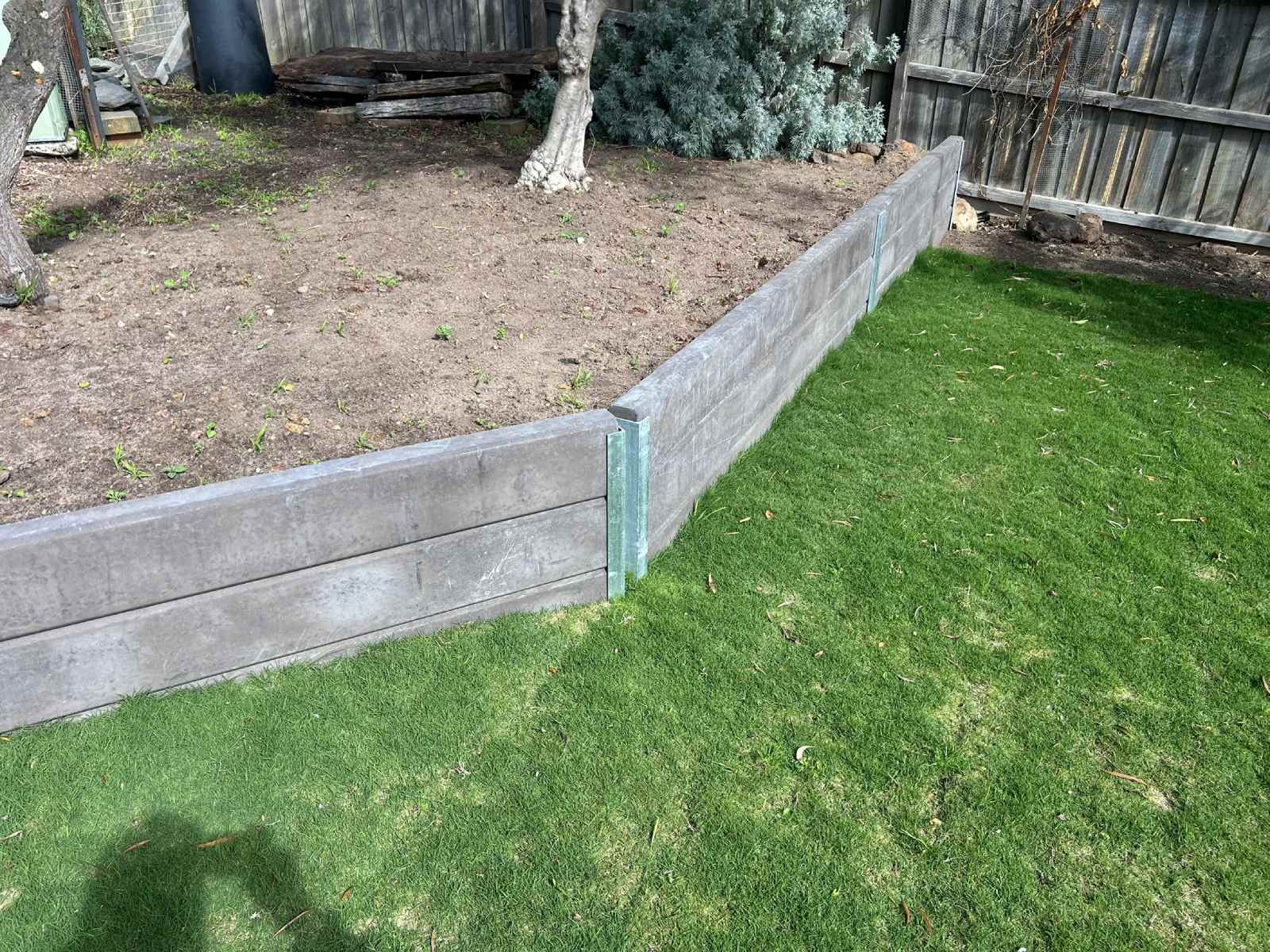
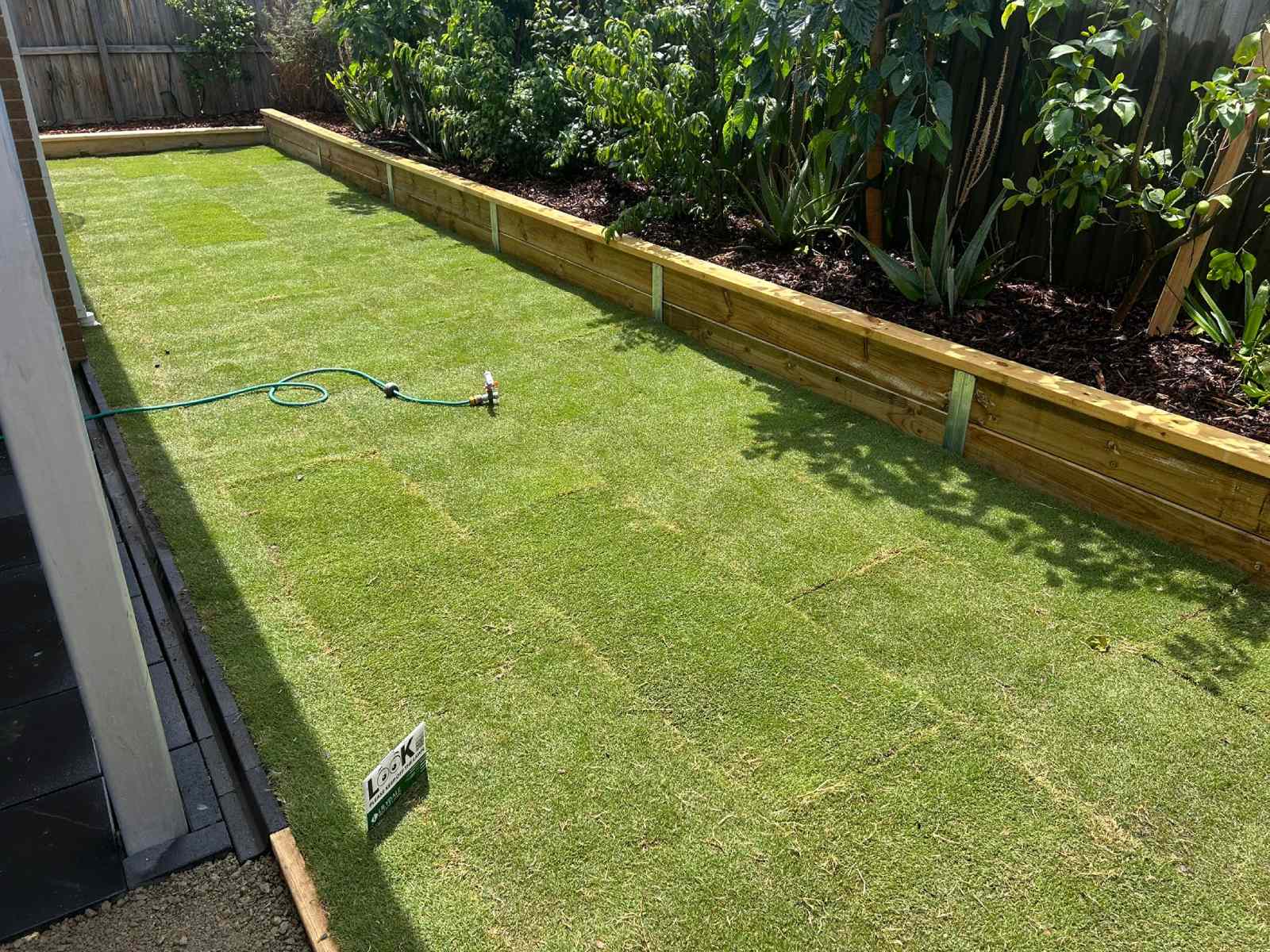
Design and engineering are critical to building effective retaining walls. Height, load-bearing capacity, and drainage must all be carefully calculated. Poor design can lead to leaning, cracking, or even collapse over time. Professional planning ensures the wall withstands pressure while looking visually appealing. Curved designs add elegance, while straight lines deliver a bold and structured feel. Every detail — from alignment to slope — contributes to the final outcome. Precision in planning sets the stage for long-lasting results.

Retaining walls also provide opportunities for creativity. They can incorporate seating areas, built-in planters, or steps for added function. Multi-level terraces bring visual interest and create spaces for gardens or entertaining. Lighting can be integrated to highlight textures and enhance safety at night. Decorative finishes and patterns transform simple walls into standout features. These enhancements allow retaining walls to be more than structural necessities. They become focal points that elevate the overall design of outdoor spaces.

The practical benefits of retaining walls are extensive. They help protect properties by preventing landslides and managing water runoff. By creating level areas, they make previously unusable land functional and safe. Retaining walls also improve accessibility and add value to homes. They are especially beneficial in regions with uneven terrain or heavy rainfall. The strength of these walls ensures long-term protection against soil movement. Homeowners appreciate their ability to solve problems while enhancing curb appeal.

Looking ahead, retaining wall designs continue to evolve with new materials and techniques. Eco-friendly solutions, such as recycled concrete and permeable designs, are becoming more popular. Advances in engineering allow for taller, stronger walls that maintain safety without sacrificing style. Modern finishes offer greater flexibility in matching walls to any architectural theme. The trend is moving toward walls that combine sustainability with beauty. With the right planning, retaining walls will remain essential features for both function and aesthetics.