Landscaping

Landscapes are more than just open stretches of land; they are living canvases shaped by nature and human vision. Rolling hills, lush gardens, and structured outdoor spaces all play their part in creating a sense of place. They influence how we feel when we step outside, whether it’s the calm of a garden or the grandeur of mountain views. The design of a landscape impacts our everyday experiences in subtle ways. Every choice of plant, stone, or pathway contributes to the final impression. A well-crafted landscape can turn ordinary ground into something extraordinary.

Throughout history, landscapes have reflected culture, heritage, and identity. Ancient civilizations shaped gardens and fields not only for survival but also for beauty and meaning. Japanese gardens, for instance, reflect harmony and balance, while European estates showcase grandeur and power. Each style represents the values and priorities of the people who created it. The connection between human expression and natural surroundings is timeless. Even in modern times, landscapes remain a blend of artistry and practicality.
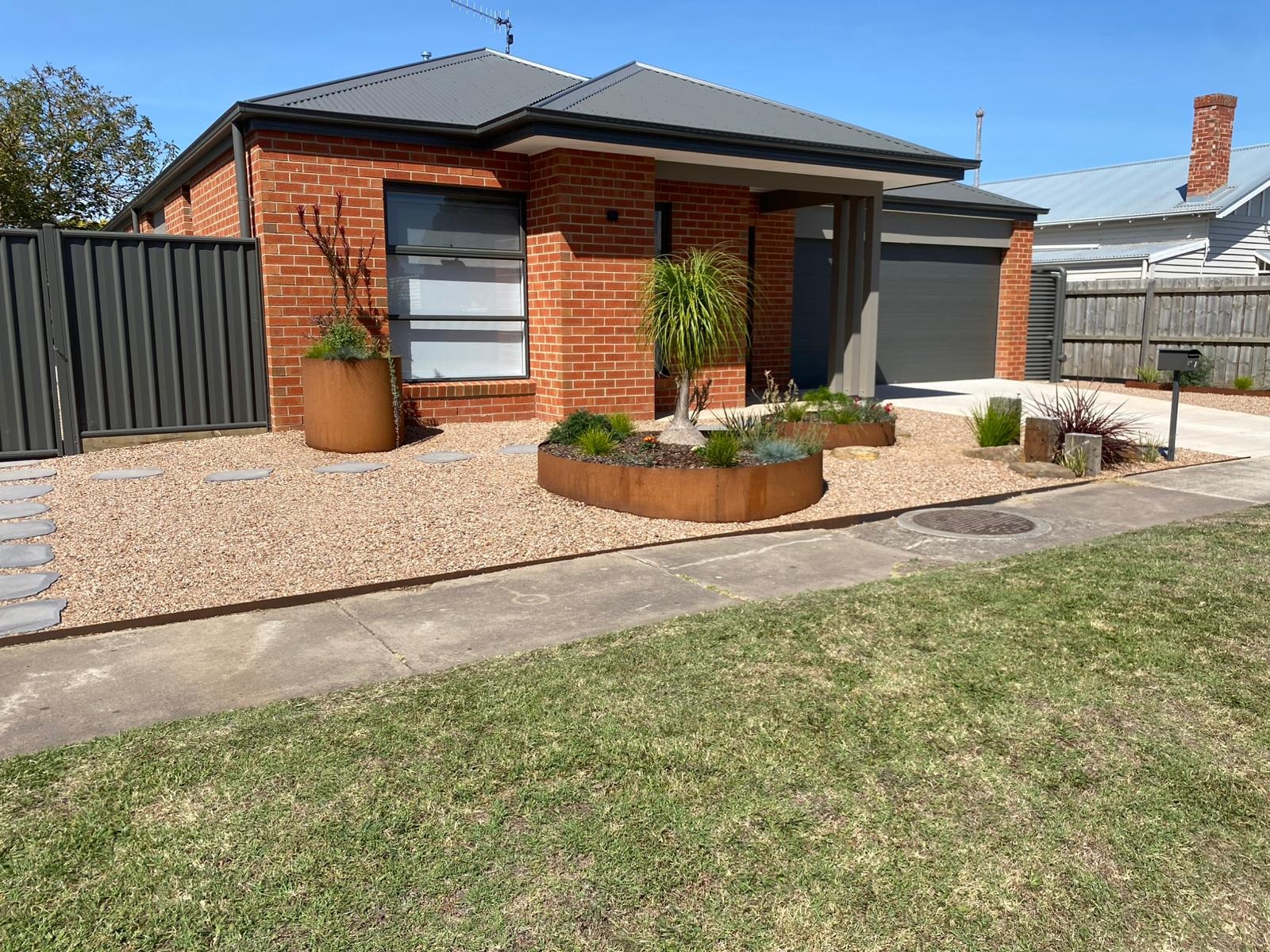
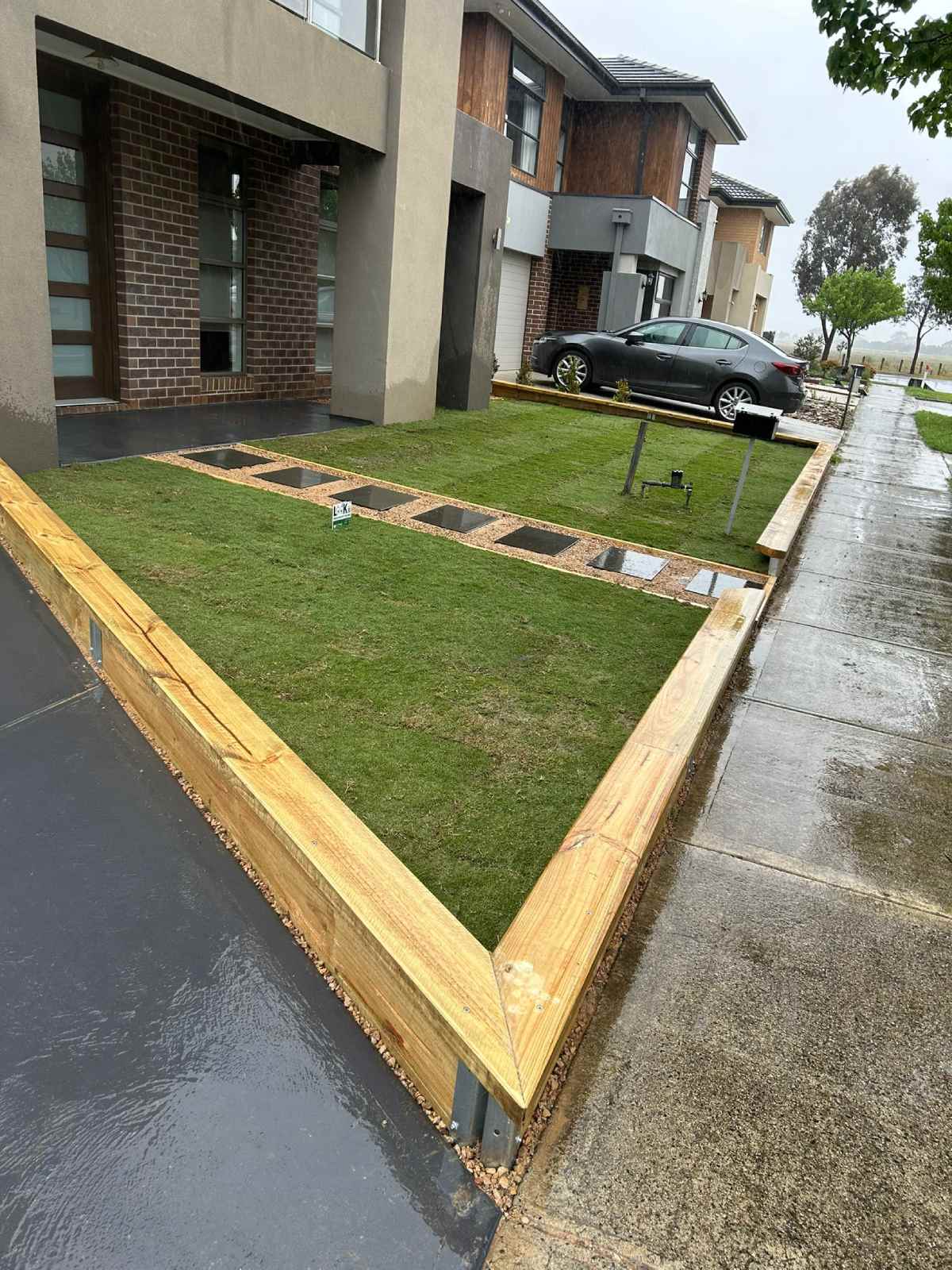
In contemporary design, landscapes are carefully planned to merge beauty with functionality. Designers consider soil type, local climate, and natural features to build sustainable environments. It’s not just about how a space looks but also how it works for those who use it. A backyard may become a family gathering place, while a park serves as a community hub. These decisions shape how people interact with outdoor spaces. A thoughtful design ensures the land continues to thrive alongside human activity.

Landscapes also play a vital role in environmental health and sustainability. Trees filter the air, green spaces reduce heat, and water features encourage balance in local ecosystems. Carefully chosen plants can reduce water use and support native wildlife. Properly built retaining walls prevent soil erosion and protect properties from damage. Every element serves both an aesthetic and functional purpose. A strong landscape design is as much about preserving nature as it is about showcasing it.

The emotional benefits of landscapes are equally powerful. A garden bursting with flowers can uplift moods, while quiet courtyards encourage peace and reflection. Landscapes give people a chance to pause, breathe, and reconnect with the natural world. Studies even show that green environments improve mental health and reduce stress. Outdoor beauty adds value not just to property but to human well-being. It reminds us that our surroundings deeply affect how we feel each day.

Looking ahead, landscapes will continue to evolve with changing lifestyles and technology. Modern trends emphasize sustainability, smart irrigation systems, and multi-use outdoor areas. As cities expand, the need for green spaces becomes even more critical. Landscapes will be designed to balance urban growth with ecological care. Homeowners will also continue investing in personal outdoor spaces that reflect their style. No matter the setting, landscapes will always be central to how we live, relax, and connect with the world around us.