Landscaping Hoppers Crossing and Tarneit: A Complete Guide
Landscaping Hoppers Crossing and landscaping Tarneit projects need smart planning for clay soil, drainage, estate rules and budget. This guide shows how Joel Construction builds outdoor spaces in Melbourne’s west.
Landscaping Hoppers Crossing and landscaping Tarneit projects start from very different places. One suburb has established homes with mature trees and tired outdoor areas. The other has fresh builds with bare yards that wait for a plan. Even so, owners in both suburbs want the same result: an outdoor space that looks sharp, handles heavy clay and suits the way the family lives.
Quick answer: Landscaping in Hoppers Crossing and Tarneit means designing and building outdoor areas such as lawns, garden beds, paving, concrete, decks, pergolas, screens and retaining walls. The best results come from four decisions: plan drainage first, build hard surfaces before planting, choose plants for clay and heat, and check council and estate rules early. Joel Construction delivers landscaping, hardscapes, decking, paving and concreting with more than 17 years of experience.
Joel Construction builds outdoor and indoor spaces that are functional, stylish and made to last. The team works across Melbourne’s west, and clients in Werribee, Point Cook and Truganina have shared their feedback on the company’s website. In this guide, you will see how each suburb shapes your options, what the work involves, what drives the price and how to pick a landscaper you can trust.
What Does Landscaping in Hoppers Crossing and Tarneit Involve?
Landscaping covers every part of your outdoor space. It includes the parts you see, such as lawn, plants and paving. It also includes the parts you do not see, such as levelling, drainage and base preparation. Because the hidden work decides how long the finished result lasts, a good landscaper treats it as the first priority.
Most projects follow a clear order. First, the team measures the site and talks through your goals. Next, the crew prepares the ground and fixes drainage. After that, they build structures such as retaining walls, concrete areas, paving, decks and pergolas. Finally, they add soil, turf, plants and mulch.
Typical features in these suburbs include the following. Lawns give children and pets space to play. Garden beds add colour and soften hard edges. Paved areas create entertaining zones and tidy paths. Decks lift living space above uneven ground. Pergolas add shade. Retaining walls hold back soil and create level areas. Concrete handles driveways and heavy traffic.
You can see the full range on the Landscaping service page or explore the wider services overview.
Landscaping Versus Hardscaping
People often mix up these two terms. Landscaping covers the living parts of the garden such as grass and plants. Hardscaping covers solid features such as paving, walls and stone. Both matter equally. For example, a lush garden bed still fails if the retaining wall behind it leans, and the best paving looks poor beside dead lawn.
The Hardscapes service at Joel Construction handles the structural side so your planting stays protected.
Hoppers Crossing and Tarneit: Two Suburbs With Different Starting Points
Both suburbs sit inside Wyndham City in Melbourne’s west, so they share council rules and weather. However, the homes and yards differ a great deal. Understanding your starting point helps you plan the right project.
Hoppers Crossing: Established Yards
Hoppers Crossing has many older homes on mature blocks. As a result, owners often deal with cracked concrete, worn pergolas, overgrown beds and tree roots that lift paving. Some yards have lost their shape over the years, so owners want a fresh layout that suits today’s family.
Tarneit: New Builds and Growing Estates
Tarneit has grown quickly, with many newer estates and compact blocks. New homes often come with a bare yard, a few basic concrete paths and little else. Therefore, owners usually start from scratch. They need a full plan for lawn, paving, screening and shade, and they often want to stage the work to suit their budget.
What Both Suburbs Share
Heavy clay soil, open exposure to wind and hot summer afternoons affect every yard here. In addition, both suburbs sit under the same council, so permit rules stay consistent. The next sections explain how these shared conditions influence your design.
How Western Melbourne Clay Shapes Your Landscape
Much of Melbourne’s west sits on basalt plains. The soil there contains heavy clay that swells when wet and cracks when dry. This movement affects almost every landscaping decision.
Clay drains slowly, so water can sit on the surface after storms. It also pushes against walls and lifts light paving. Meanwhile, dry spells open deep cracks that expose roots and shift fence posts.
Because of these traits, base preparation matters more than surface finish. A well compacted base, correct falls and good drainage keep paving flat. Strong footings keep decks and pergolas stable. Proper drainage behind retaining walls reduces pressure from wet soil.
Plants also need help. Mixing organic matter into clay improves structure. Raised beds give you full control of the soil mix. A thick layer of mulch slows moisture loss and protects roots through summer.
Wind adds another factor. The flat landscape means breezes sweep through yards, especially on open estate land. Therefore, solid fixings, sturdy posts and well chosen screens matter. Poor fixings fail in the first strong storm.
Landscaping Hoppers Crossing: Ideas for Established Homes
Owners in older areas often want to refresh what already exists. The goal is not just a new look but a better working yard.
Replace Tired Surfaces
Cracked concrete, sunken pavers and rotted decks look worn and create trip hazards. The crew can remove the old material, rebuild the base and install durable replacements. In many cases, this single step transforms how the yard feels.
Manage Tree Roots
Mature trees give shade and character. However, their roots can lift paving and block drains. A careful plan keeps healthy trees while redirecting paths and structures around the root zone. If a tree has become unsafe, specialist advice helps you decide.
Rethink the Layout
Older yards often have awkward shapes or single large lawns. A fresh layout creates zones for dining, play and planting. Paths connect each zone and make the space feel intentional.
Add Shade and Comfort
Many established yards lack proper shade. A pergola or a well placed deck adds comfort on hot days. Check the Pergolas service and the Decking service for ideas.
Fix Small Jobs While You Are There
A landscaping visit often reveals small repair jobs such as loose gate hardware or damaged trims. The Handyman Services page shows how Joel Construction can handle these tasks alongside the main project.
Landscaping Tarneit: Finishing a New Build Yard
New homeowners in Tarneit face a different challenge. The builder finishes the house, but the yard often needs a full design. A clear plan prevents rushed decisions.
Start With a Layout
Before you spend anything, decide how you will use the space. Do you want a large lawn for children? Do you need an entertaining deck? Would you rather have low maintenance paving with garden edges? Your answers guide every later choice.
Confirm Handover and Levels
Wait until the builder completes final handover. Then check the yard levels, drainage points and any services near the slab. New estates sometimes leave small slopes that send water toward the house. A landscaper can correct these falls before building paving or planting beds.
Check Estate Guidelines
Many newer estates can carry design guidelines or covenants. These rules may control fence heights, front yard finishes or the position of sheds and structures. Some estates also expect front yards to reach a set standard within a certain time. Therefore, review your contract of sale and estate documents before you commit to a design.
Stage the Work
New owners often stretch their budget on the house. Staging solves this problem. Build the front yard, drainage and key hard surfaces first. Add the deck, pergola and detailed planting in later stages. Joel Construction can plan a layout that works as a whole while you build it in steps.
Use Compact Space Well
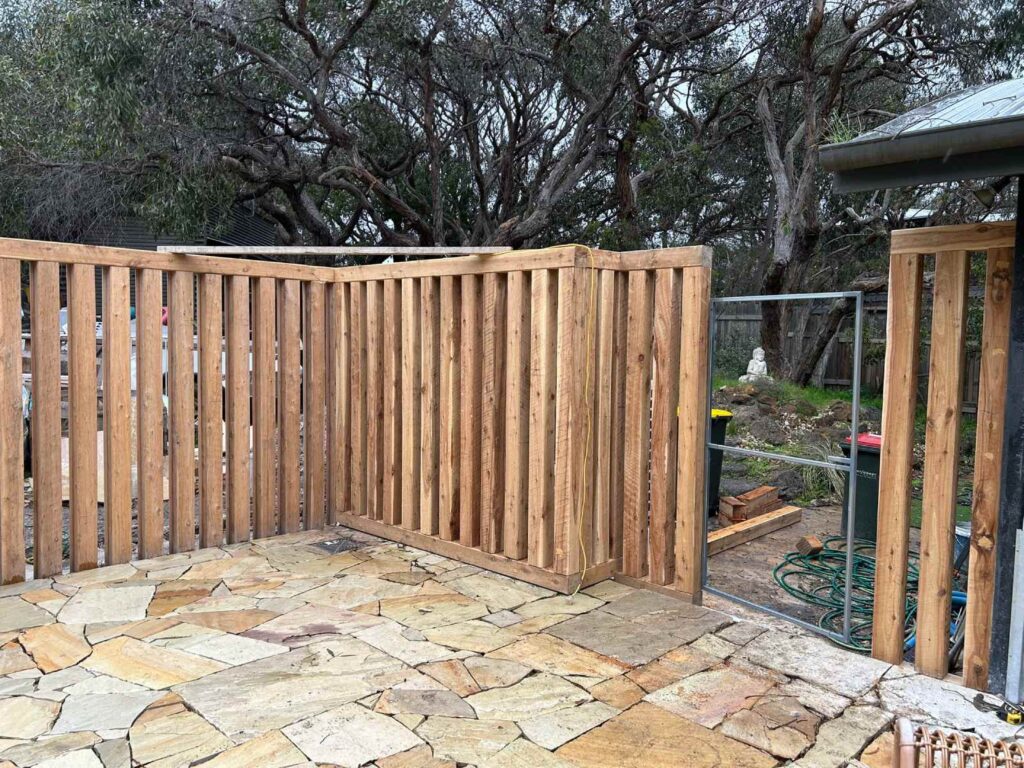
Smaller blocks reward clever design. Use multi purpose zones, built in seating and planter boxes along fences. Add vertical features such as screens and climbers to create height and privacy. The Wall and Screens service covers options for boundaries and feature areas.
Front Yards, Driveways and Kerb Appeal
The front yard sets the first impression of your home. It also often carries estate or council requirements, so it deserves early attention.
A good front yard balances low maintenance with strong looks. Layered planting adds depth. Edging keeps lawn and beds tidy. A clear path from the street to the door guides visitors and improves safety.
Driveways need extra care. They carry heavy loads and the clay beneath them moves. Therefore, a solid base and reinforced concrete help prevent cracks. Control joints let the slab move without splitting. If you plan a new driveway or a path, see the Concreting service for details.
Nature strips fall under council control. Before you plant, pave or change a nature strip, check the rules with Wyndham City Council. Some changes need approval, and services often run beneath the strip.
Lighting adds another layer. Path lights improve safety, and soft spotlights highlight trees and walls. Install conduit during construction so you avoid digging up finished surfaces later.
Backyard Zones: Entertaining, Play and Garden
Backyards work best when you divide them into clear zones. Zones keep the space organised and help it feel larger.
An entertaining zone sits close to the house. It usually combines a deck or paved area with shade. A play zone needs soft, open lawn away from hard edges. A garden zone holds beds, edible plants and flowers. A service zone hides bins, clotheslines and storage.
Paths link the zones and guide movement. Make them wide enough for comfortable walking. Slightly curved paths add softness, while straight paths feel modern and efficient.
Balance hard and soft surfaces. Too much paving feels harsh and heats up in summer. Too much lawn demands constant mowing and watering. A thoughtful mix gives comfort and variety.
Keep a consistent palette. Choose two or three materials that suit your home and repeat them. For instance, pair neutral paving with timber decking and green planting. A simple palette looks calm and refined.
Paving, Concreting and Retaining Walls
Hard surfaces form the backbone of your landscape. Build them first, because heavy work damages finished gardens.
Paving
Paving suits entertaining areas, paths and courtyards. A great paving job depends on a compacted base, correct falls for drainage and neat joints. Poor preparation causes sinking, tilting and weeds. The Paving service explains the options available.
Concrete
Concrete works well for driveways, paths and slabs. In clay areas, reinforcement and control joints help manage movement. Good finishing also improves grip and appearance.
Retaining Walls
Retaining walls hold soil and create level areas on sloping blocks. They also reduce erosion and protect structures. Because they carry heavy loads, they need solid footings, drainage behind the wall and sound materials. The Retaining Walls service covers this work.
In Victoria, a retaining wall that reaches one metre in height generally needs a building permit. Shorter walls near boundaries or buildings can also need one. Always confirm the rules before you build.
Decks, Pergolas and Shade
Decks and pergolas turn a yard into an extra room. They also add value when built well.
Decks suit sloping ground, uneven areas and spaces beside the house. Timber offers a warm, natural look but needs regular sealing. Composite boards resist weather and need less upkeep, though they cost more up front. Frame quality matters just as much as board choice, so insist on strong footings and treated timber.
Pergolas offer shade and structure. You can attach one to the house or build it freestanding. Climbing plants add natural cooling. Alternatively, solid or louvred roofs give year round protection.
Wind exposure influences both structures. Choose sturdy posts, proper fixings and well designed bracing. Placement matters too. A pergola that blocks the afternoon sun can cut summer heat inside the house.
Some low decks and simple pergolas fall under building permit exemptions in Victoria. Size, height, roof type and distance from boundaries all affect the answer. Wyndham City Council’s building team can confirm the rules, and you can start with its building permit enquiry page.
Lawn, Turf and Plant Choices
Plants bring a landscape to life. However, the wrong choices lead to patchy lawns and dead beds.
Prepare the Soil First
Clay needs improvement. Mix in quality organic matter to open the structure. Raised beds give you control where the existing soil is poor. A level, firm and weed free base lets turf root well.
Choose Turf That Suits Your Use
Buffalo handles some shade and stays soft underfoot. Couch recovers quickly from heavy use but prefers full sun. Kikuyu grows fast and tolerates traffic. Match the variety to sun, wear and watering habits. Artificial turf suits small, shaded areas, though it can get hot in summer.
Pick Plants for Clay and Heat
Hardy natives such as westringia, correa, grevillea and lomandra often cope well with clay and dry spells. Ornamental grasses add movement and texture. Always check the mature size of each plant so it does not outgrow its space.
Layer the Garden
Layered planting looks fuller and richer. Put tall plants at the back, medium plants in the middle and ground covers at the front. Mulch beds well to hold moisture and control weeds.
Plan for Edible Plants
Many families want herbs and vegetables. Raised beds near the kitchen make harvesting easy. Choose a sunny spot with at least six hours of light.
Drainage and Water Smart Design
Water causes more landscaping failures than any other factor. Clay makes good drainage essential in Hoppers Crossing and Tarneit.
Watch your yard during heavy rain. Note where water pools and where it runs. These patterns reveal problem areas. Water should always move away from the house and toward a legal point of discharge.
Paved surfaces need a slight fall so water drains off. Lawns also need gentle grading. Without correct falls, puddles form and damage surfaces. Subsurface drains, sumps and stormwater connections move water from low spots. Retaining walls need drainage behind them to release pressure.
Keep soil and mulch below damp course levels and weep holes. Direct downpipes into proper stormwater connections. Do not let garden beds trap water against walls.
Water smart choices also lower costs. Mulch, drip irrigation and drought tolerant plants reduce water use. Smart controllers adjust watering to the weather. As a result, your garden stays healthy through dry summers with less effort.
Fences, Screens and Privacy
Neighbours sit close on many Tarneit and Hoppers Crossing streets. Privacy therefore ranks high on many wish lists.
Fence rules vary by boundary type and location. Dividing fences involve neighbours under Victorian law, so talk to them early. Screens inside your own yard offer more freedom. A slatted screen blocks views while letting breezes pass. A feature wall adds style and creates a backdrop for planting.
Tall plants such as screening shrubs add soft privacy over time. Combine them with structures for faster results. Place screens where they block the worst views, such as a neighbour’s upper windows or an open side path.
Remember wind load. A solid screen on an open site catches strong gusts. Strong posts, deep footings and sensible spacing prevent leaning and failure.
Permits, Estate Rules and Safety Checks
Rules protect you and your neighbours. Check them before you start.
Wyndham City Council covers both suburbs. Some structures need building permits, and some sites need planning permits depending on overlays and zoning. Common examples include taller retaining walls, larger decks, roofed structures and works near boundaries. Start with the council’s building permit information and visit the Wyndham City Council website for general contact details.
Joel Construction does not replace a building surveyor or town planner. Instead, the team recommends that you confirm requirements early and share any permits before work begins.
Check easements before you build. Easements protect drains and services, and building over them can cause serious problems. Confirm your boundaries too, especially before you build walls or fences.
Before any digging, check for buried cables and pipes. The free national Dial Before You Dig service provides plans. You can request them at Before You Dig Australia or by calling 1100. Plans show approximate positions, so careful hand digging confirms exact locations.
Finally, keep children and pets away from the work area. Professional crews manage tools, materials and open excavations safely.
What Affects the Cost of Landscaping Hoppers Crossing and Tarneit?
Everyone wants a number straight away. However, honest pricing depends on the details of your yard and your design. Several factors shape the final figure.
Project size comes first. A small courtyard costs less than a full backyard rebuild. Materials come next. Natural stone and premium timber cost more than basic options. Composite decking costs more than treated pine but needs less upkeep.
Site conditions matter too. Sloping ground, poor access and heavy clay add work. Removing old structures adds time. Structural work such as retaining walls, footings and concrete needs more labour and materials than planting. Taller walls may need engineering input.
Drainage, irrigation and lighting add to the budget but also add long term value. Plants and turf vary widely in price. Mature plants cost more than small ones, though they establish faster.
Permits and approvals add fees. Your contractor should explain these costs upfront. Timing matters as well. Wet weather causes delays, and urgent timelines may need extra resources.
How to Get an Accurate Price
Photos, measurements and a clear wish list help the team understand your project. A site visit then confirms the details. Joel Construction offers free, no obligation quotes on all services. Ready to plan your yard? Request your free estimate from Joel Construction and share your ideas, your budget and your timeline.
Staging Your Landscaping Project
Few owners complete everything at once. Staging spreads the cost and keeps the project manageable.
Stage one covers the foundations. Fix drainage, correct levels and build retaining walls and concrete. Stage two adds the main hard surfaces such as paving, decking and pergolas. Stage three installs turf, plants and mulch. Stage four adds finishing touches such as lighting, screens and feature planting.
Each stage should leave the yard safe and usable. Plan the whole layout first so later stages fit without rework. For example, run conduit for lighting and irrigation sleeves under paving before you lay it, even if you install the fittings later.
How a Landscaping Project Runs From Start to Finish
Knowing the process removes stress. Here is how a well run job usually unfolds.
Step 1: Conversation and Site Visit
You describe your goals, style and budget. The team inspects the site, measures the space and notes levels, drainage and access.
Step 2: Design and Quote
You receive a plan with layouts and materials. The quote lists inclusions clearly so you can compare it fairly.
Step 3: Approvals
If your project needs permits or estate approval, the paperwork happens now. Construction starts only after approvals arrive.
Step 4: Preparation and Structure
The crew clears the area, marks services and sets out the design. They then build drainage, retaining walls and concrete bases.
Step 5: Surfaces and Structures
Paving, decking and pergolas follow. Careful installation here makes the space feel solid and neat.
Step 6: Soil, Turf and Planting
When the heavy work finishes, the crew spreads soil, lays turf, plants garden beds and adds mulch. A final walk through confirms that everything matches the plan.
How to Choose a Landscaper in Hoppers Crossing or Tarneit
The right contractor makes the difference between a smooth project and a stressful one.
Look for proven experience. Joel Construction brings more than 17 years of experience across landscaping, hardscapes, decking, concreting and related services. That range lets one team handle several trades.
Check past work. Browse the Joel Construction gallery to see paving, lawns, fencing, decking, walls, turf, retaining walls and pergolas. You can also read about the company’s approach on the About Us page.
Read genuine feedback. Clients in Werribee, Point Cook and Truganina praise clear advice, on time work and tidy sites. Those comments show how a business treats people.
Ask about insurance and licensing, and confirm what applies to your job. Compare quotes fairly by checking inclusions such as drainage, base preparation and clean up. A low price that skips these items often costs more later.
Finally, value clear communication. You should understand the plan, price and schedule before work begins. Fast replies and honest answers signal a reliable business. A contractor who covers concreting, decking, paving, walls and handyman tasks also coordinates everything, which saves time and avoids blame between trades.
Keeping Your New Landscape Looking Great
Good maintenance protects your investment. A few habits make a big difference.
Water new plants and turf often during the first weeks. After that, adjust watering to the season. Mulch beds each year to hold moisture and suppress weeds. Prune shrubs after flowering to keep them tidy. Mow lawns at the right height for the grass type.
Seal timber decks as the installer advises. Clean pavers with a gentle brush and mild cleaner. Clear leaves from drains before storms. Check retaining walls and fences after heavy rain, and fix small problems early before they grow.
Common Landscaping Mistakes to Avoid
Many problems repeat from yard to yard. Learn from them and save money.
One mistake involves planting before the hard work finishes. Machines and trades then trample the new garden. Another involves ignoring drainage, which lets water damage surfaces and walls. Some owners skip base preparation under paving, so the paving sinks within a year or two.
In addition, people often choose plants for looks alone and forget size, sun, wind and soil. Others overspend on one feature and run short for essentials. New home owners sometimes ignore estate rules and face delays or forced changes. Finally, many skip permits and face fines later. A clear plan avoids all of these problems.
Why Homeowners Choose Joel Construction
Joel Construction builds spaces for better living. The company’s approach rests on quality craftsmanship, personalised solutions, smart design and reliable service. Every project suits your style, needs and budget.
The team handles landscaping, decking, concreting, paving, hardscapes, retaining walls, pergolas, door fitting and handyman work. Because one team covers these trades, your project stays coordinated. The business operates 24/7, so you can reach out whenever it suits you.
Clients describe on time arrivals, neat sites and workmanship that looks great. A Werribee client said the garden became both practical and stylish. A Point Cook client called the deck and paving results outstanding. A Truganina client praised the high standard and the team’s flexibility. Those comments reflect the company’s aim to get the job right the first time.
Frequently Asked Questions About Landscaping Hoppers Crossing and Landscaping Tarneit
What does landscaping Hoppers Crossing usually include?
Landscaping usually includes design, site preparation, drainage, hard surfaces such as paving and concrete, structures such as decks and pergolas, retaining walls, lawns, garden beds and plants. The exact scope depends on your goals and budget. A clear quote should list every item.
How much does landscaping cost in Hoppers Crossing or Tarneit?
Cost depends on project size, materials, site conditions, structural work, drainage, plants and permits. A small garden refresh costs far less than a full backyard rebuild. The most reliable way to get a price is to request an estimate with photos and measurements.
Can I landscape my Tarneit yard straight after the builder finishes?
Usually yes once the builder completes final handover. Check your building contract and any estate guidelines first. Then confirm yard levels and drainage so your landscaper can correct falls before building paving or planting.
Do I need a permit for a deck, pergola or retaining wall in Wyndham?
Sometimes you do. Size, height, roof type and distance from boundaries all affect the answer. In Victoria a retaining wall that reaches one metre generally needs a building permit. Contact Wyndham City Council building services to confirm the rules for your property.
What lawn suits Hoppers Crossing and Tarneit yards?
Buffalo, couch and kikuyu are common choices in Melbourne’s west. Buffalo copes with some shade. Couch recovers well from heavy use in full sun. Kikuyu grows quickly and handles traffic. Your landscaper can match the variety to sun, wear and water use.
Why does my yard stay soggy after rain?
Heavy clay drains slowly so water sits on the surface. Poor levels and blocked drains also contribute. A landscaper can regrade the yard, install subsurface drainage and direct water to a legal discharge point.
Which plants cope with clay and summer heat?
Hardy natives such as westringia, correa, grevillea and lomandra often handle clay and dry spells well. Ornamental grasses also perform strongly. Improving the soil and adding mulch helps any plant establish.
Should I do the front yard or the backyard first?
It depends on your situation. Some estates require front yards to meet a standard within a set time, so those owners start at the front. Otherwise, build the structural work and drainage first in whichever area needs it most. Plan the whole layout before you start.
How long does a landscaping project take?
A small garden upgrade may take a few days. A full backyard transformation with paving, decking and retaining walls can take several weeks. Design, approvals, weather, site access and project size all affect the timeline.
Can one company handle landscaping and paving and decking and concreting?
Yes. Joel Construction offers landscaping, paving, decking, concreting, hardscapes, pergolas, retaining walls and handyman services. Using one team improves coordination and keeps your project moving smoothly.
What should I prepare before the landscaper arrives?
Clear the work area and mark any features you want to keep. Gather photos, inspiration images and any plans or estate guidelines. Locate your boundary and tell the team about known drains, pipes and cables.
Do you offer free estimates?
Yes. Joel Construction offers free quotes with no obligation on all services. Share your ideas, photos and budget so the team can give you accurate advice.
Final Thoughts on Landscaping Hoppers Crossing and Landscaping Tarneit
Landscaping Hoppers Crossing and landscaping Tarneit projects reward careful planning. Whether you refresh an established yard or finish a new build, the same rules apply. Plan drainage first, build hard surfaces before planting, choose plants that suit clay and heat, and check council and estate rules early. Staging the work then keeps the project affordable and calm.
Do you have a yard in Hoppers Crossing or Tarneit that needs a fresh start?
OR visit the contact page to talk through your ideas, your site and your timeline. The team will give you clear advice and a practical plan.